
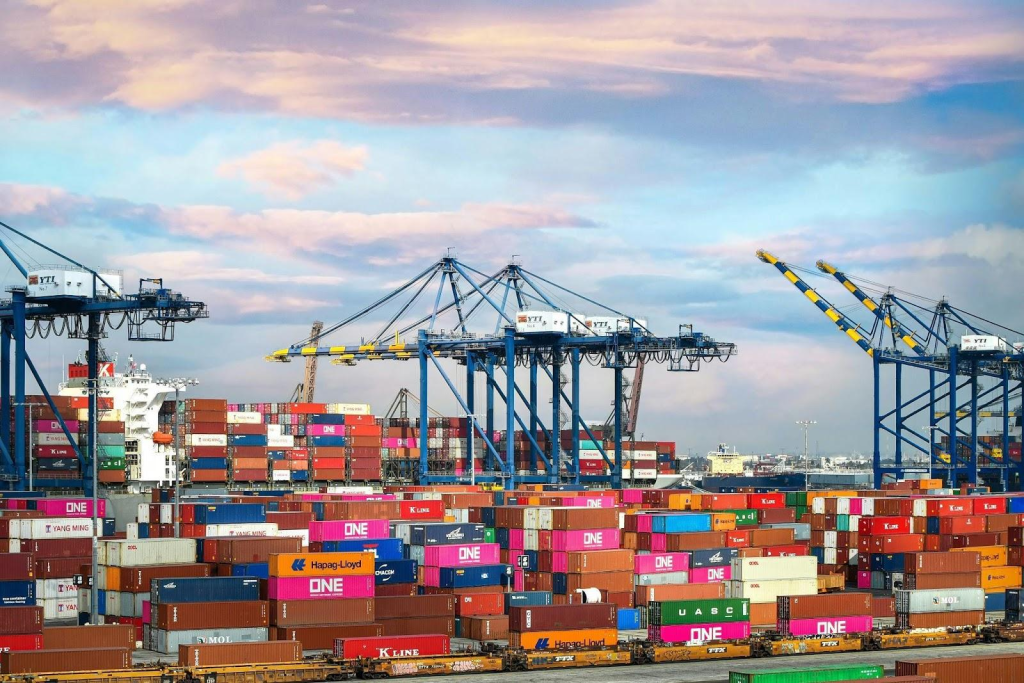
Did you know? There has been strike action at the shipping ports.
Anxious workers in the freight and logistics industry feel that a strike is necessary to impact its message on a world that relies on timely shipments. Ports keep global trade moving, and even a temporary disruption may unnerve businesses.
Key Players Involved
International Longshoremen's Association (ILA): Representing the dockworkers along U.S. East and Gulf Coasts, this is one of the important maritime labor relations in the country that fights for workers' rights, wages, and working conditions.
U.S. Maritime Alliance: It is an alliance of port operators, terminal companies, and shipping lines. They are negotiating with ILA for free flow port activities while at the same time balancing efficiency and equity in labor practices.
Why This Strike Matters
Speculation on how it would affect the occurrence of this strike:
- Delays in Loading and Unloading Operations: Whenever these activities come to a halt, it might bring delays and congestion.
- Disruptions in Container Handling: The denominator in the flow of goods in supply chains causes disruptions.
These elements put into perspective why freight and logistics companies are keeping their fingers crossed. The impacts, too, can become huge as disruptions have a domino-like effect on several industries dependent on seamless port operations.
Background: How ILA and USMX Shape Maritime Labor Relations
Historically, the ILA has been known as the representative for dockworkers on the East and Gulf Coasts, the Great Lakes, and all major U.S. rivers. These hardworking individuals serve in some very critical work in the transferring of products from ship to land, ensuring that everything keeps flowing properly along the chain. Their work is not only physical but also consists of great negotiations in which their future with maritime labor relations is shaped.
On the other side of the table is the U.S. Maritime Alliance, or USMX for short, which represents the employers in these various ports. Along with the ILA, they are kind of a dynamic duo responsible for hammering out agreements that impact thousands of workers and countless businesses relying on efficient freight operations.
ILA-USMX negotiations aren't easy. Some major points of contention usually include:
- Wage Negotiation: While dockworkers negotiate for decent compensation for their work, it also means that employers have to balance workers' demands with operational costs; employees need a raise in wages.
- Automation Concerns: Technological advancement ushers in automation in the ports. Dockworkers fear losing their jobs, while employers think automation would raise productivity and lower costs.
These deliberations and decisions have an immediate impact on the relations of labor in shipping and result in strike action if consensus isn't achieved. Surely, these negotiations are crucial for all parties involved, given that there's tension between holding on to jobs and adopting technology.
This background brings into perspective the possibility of upcoming strikes at shipping ports, as they are particularly significant to companies concerned with freight and logistics. It is more than labor unrest; it is looking for a way out of an issue entangled within a complicated web pertaining to the entire industry.
Projected Effects of Shipping Port Strike on Freight Operation
A strike in a shipping port is an event that causes a disruptive effect on the freight market, and the effect ripples through many logistic networks. During a strike, delays in the operational time of loading and unloading, along with container handling, are expected to happen. This means:
- Loading and Unloading Delays: Because of the scarcity of labor, ships may be stranded at sea or at ports and wait for a longer period.
- Container Handling Problems: The number of men involved in handling containers from ships to storage areas or trucks will greatly decline in efficiency.
These operational hiccups can bring about a dramatic halt in the volume of containers and thus affect the whole supply chain. Businesses should prepare themselves for:
- Decrease in U.S. Container Volume: A strike could very well translate into less number of containers being processed, thereby reducing the total tonnage of goods throughput.
- Delays to Inbound Cargo: Basic commodities, such as raw materials and consumer products, may be seriously delayed and affect manufacturing schedules and retail inventories.
The consequences are more far-reaching than the late arrivals of shipments. Companies relying on timely delivery could also face increased costs due to expedited shipping fees or lost sales opportunities.
Being prepared for these challenges is very important. Businesses need to stay aware of the regular possibility of strikes and build robust contingency plans in order to reduce impacts on the supply chain.
Industries Most Vulnerable to Disruptions Caused by a Shipping Port Strike
A strike at a shipping port might be problematic enough for most industries, but much more for those who depend heavily upon unhampered cargo circulation. Among them, the three who would be the most burdened are so due to their strong dependence on timely shipments through affected ports:
- Automotive Exporters Scheduling is tight, and inventories are lean in the automotive sector. Many parts, including major components like engines, transmissions, and sophisticated electronics, often come from different parts of the world and converge at assembly plants. Delays in receiving any of these parts can bring production lines to a grinding halt and make for very expensive downtime. Automakers and parts suppliers must be prepared for potential disruptions that may ripple through their entire supply chain.
- Agricultural Exporters Agricultural exporters are also highly vulnerable. Perishable fruits, vegetables, and dairy products require shipment as soon as possible to preserve their quality. Such delays within the ports mean spoilage and financial losses. Bulk commodities, normally comprising grains and soybeans, move in massive volumes through the ports, meaning such slowing down will have a toll on supply chains and world market prices.
- Garment Industry Apparel is another industry that could be seriously hampered. Fast fashion relies on fast times to market from design to shelf, and much of the nation's garments are made overseas. Delays in shipment can mean missed seasons or late retail store arrivals, which affects both sales and inventory. Brands might consider rerouting or expedited shipping as ways to help minimize delays.
Given these susceptibilities, companies in such industries should take the lead to devise contingency strategies that could help them survive the uncertainties created by the shipping port strike.
Shipping Port Strike Disruption Mitigation Strategies
Contingency Planning for Shippers
Companies must route plan and find alternative ways of shipping that won't knock their supply chains out of kilter. Turning to backup or secondary suppliers, or even alternate transportation companies, would give some reprieve where key suppliers are taken offline due to strikes.
- Alternative Shipping Routes: Investigate usage of other ports or inland transportation modes.
- Backup Suppliers: Find agreements with secondary suppliers.
- Flexible Contracts: The contracts can be adaptable from the carriers so that sudden changes may be facilitated.
Managing Inventory During Strike
Effectively managing inventory during a shipping port strike will be crucial for the businesses involved. Stockpiling essential goods before a strike means your operations can be continued without hindrance. While the strike has already been initiated, it is never too late to go about preparing your inventory for further problems!
- Stockpiling Essentials: Stock up on staple items
- Agile Inventory Policy: Modify just-in-time practices to more flexible approaches.
- Real-time Inventory Tracking: Inventory tracking is done through technology that is used to adjust orders dynamically.
Real-Time Solutions for Freight Management in Case of a Shipping Port Strike
Working out freight cost management around a strike at the shipping port could look something like navigating a maze puzzle. It is important to understand the impact of emergency operations surcharges. More often than not, such surcharges come into play when there are unexpected additional costs that the operators experience, such as labor and equipment adjustments. Monitoring these costs can enable shippers to make beneficial and preparatory financial decisions.
Fortunately, there are technologies that are used for day-to-day logistics operations that can be a real game-changer for businesses being affected by issues like the current shipping port strike. Shipping tracking technology offers unparalleled visibility into your freight movements, enabling you to easily stay ahead of any impending delays and thus route shipments when the need arises. Just think of a digital map actually showing you where your goods are at any given moment. Here's how this technology can help:
- Increased Visibility: Track your shipments in real-time, knowing exactly where they are and exactly when they will arrive.
- Proactive Problem Solving: Issues like delays come up, and they are noted and dealt with in record time.
- Cost Management: Since you will actively know where your shipments are, you will be better able to plan labor and storage costs accordingly.
Our professionals here at National Freight Connection can help you harness these tools and insights to keep your freight in motion, even when the ports are not.
Prepare Your Business Now for Possible Disruptions Due to Shipping Port Strike
Understanding the upcoming effects of the shipping port strike will help protect your business as much as you are able. Making an adaptive strategy can help minimize the impact on your supply chain and continue operations. Learning from these events now is another way to be proactive for future problems of the same nature.
How Can I Prepare?
- Unpredictability of Strike: Shipping port strikes can occur at any moment, which often gives very little time to act.
- Complex Supply Chains: With today's logistics so interwoven, what happens in the ports can spread down an entire industry.
- Customer Expectations: Delivery is supposed to be fast and reliable for customer satisfaction.
Key Steps to Take
- Develop Contingency Plans: Identify alternative routes and transportation options. Establish relationships with multiple carriers to avoid dependency on a single provider.
- Inventory Management: Increase safety stock levels on critical items. Consider diversifying suppliers to minimize risks associated with port-specific disruptions.
- Communication: Keep the lines of communication open with suppliers, carriers, and customers. Keep them regularly informed about delays that are likely to happen, along with the steps being taken to mitigate such situations.
Need Expert Assistance on How to Deal with Shipping Port Strikes?
Shipping port strikes have a ton of complex dimensions. To navigate these properly, you need expertise and strategy. National Freight Connection is here to assist you:
- Customized Shipping Solutions: Strategize and have plans that suit your very needs.
- Reliable Carrier Network: Engage with trustworthy carriers to ensure continuity in your supply chain.
- Real-Time Visibility of Shipments: We promote advanced technologies that give you insight to make solid decisions.
Don't be left behind. Secure your business's logistic needs now. Call National Freight Connection today!
National Freight Connection Today at 931-200-5601.
We can transform potential disruptions into manageable challenges with your support. Let the future be tackled head-on by us!