
Logistics and distribution are the pieces that make up the backbone of supply chain management. These processes are essential for any business entity that is willing to improve its operations and also fulfill the needs of the customer. Continue reading to learn more about what these key components are as well as how to enhance your distribution channels, the pros and cons of different logistics practices, how technology can help drive performance, and the role of sustainability in logistics
Defining Logistics and Distribution
It is pivotal to know the difference between logistics and distribution. While they are often used synonymously, they actually involve different processes, even though they complement each other.
What is Logistics?
Logistics refers to the process of planning, executing, and controlling the flow of goods, services, and related information from the point of origin to the point of consumption most efficiently and effectively possible. This encompasses:
- Transportation Management: Smoothing the flow of goods across different transport modes.
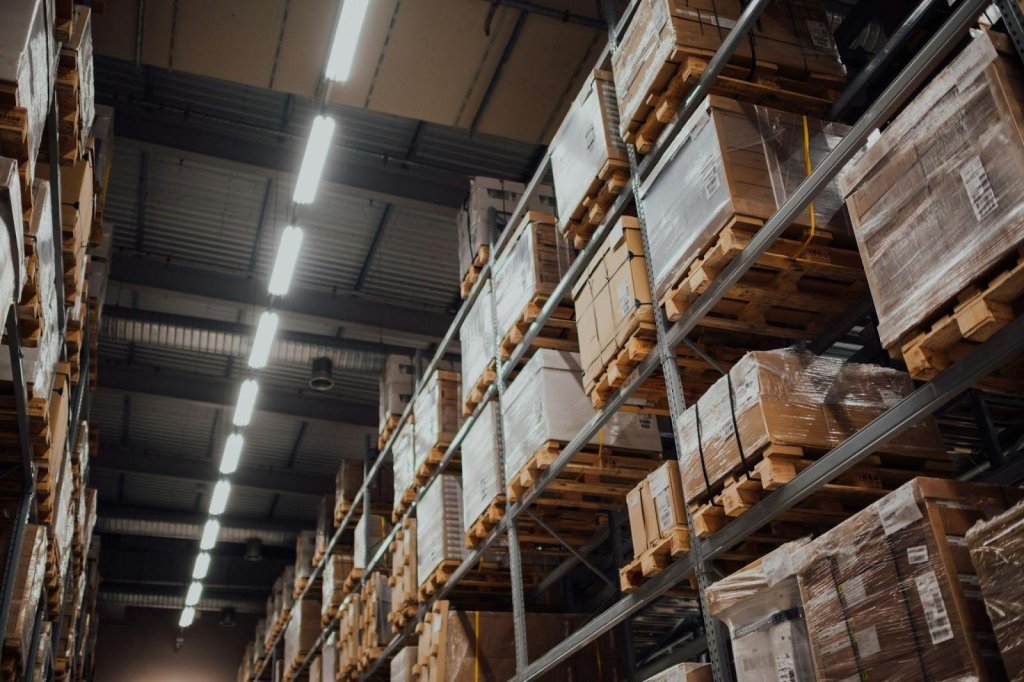
- Warehouse Management: Storing goods in such a way that space utilization is optimum and retrieval is easy and quick.
- Inventory Management: Keeping track of stock levels in order to avoid a total loss of stock or overstocking.
What is Distribution?
Distribution solely covers the ways and methods of delivering the finished products to the end customers. This will involve:
- Order Fulfillment: The ability of firms to ensure customers' orders are appropriately processed, packed, and delivered.
- Channel Management: The determination of whether to distribute through direct or indirect channels to the customers.
Key Differences
While logistics covers a broad range of activities aimed at preserving the overall efficiency of goods in transit, distribution zeroes in on the aspect of getting goods to their very last destinations. Simply put, logistics acts as the grand orchestra managing every note, while distribution is the last performance that reaches the audience.
Complementary Roles
A healthy chain of logistics and distribution is very important in ensuring a smooth flow of goods from suppliers to consumers. Good logistics ensure that the product is in the right place within the supply chain, while effective distribution ensures the product is at the right place at the right time. These definitions can help you better understand your operations as you work to accomplish the ever-growing demands of your customers.
Key Elements of Effective Logistics Management
The following points are key elements that must be worked on to maintain a healthy supply chain:
- Transportation Management Transportation management presents both the brain and brawn in logistics. It encompasses processes like route optimization and carrier selection, which work together and are responsible for on-time delivery at cost-effective means.
- Route Optimization: Using various software tools, the most viable routes can be traced that may help save fuel costs and lower delivery times.
- Carrier Selection: The right carrier selection on parameters like reliability, cost, and reach area aids in fulfilling the delivery commitments on time.
- Warehouse Management The warehouse should be maintained properly to fulfill the orders at the proper time and to reduce the storage cost.
- On-time Order Fulfillment: Efficient warehouse operations are assured in picking, packing, and shipping products on time.
- Minimum Storage Cost: Techniques like cross-docking and just-in-time inventory reduce the need for large-scale storage facilities.
- Inventory Management Effective inventory management systems avoid stockouts and excess inventory to sustain a balanced supply chain.
- Stockout: It will track the actual inventory level through automated systems, allowing a business to reorder its stock before running out.
- Excess Inventory: It includes techniques such as demand forecasting and analysis of inventory turns to have optimum levels of inventory.
By working on these components, a sound logistic strategy can be devised to meet customer demand at the least possible cost. This provides not only better operational efficiency but also the long-term growth of any business.
Optimization of Distribution Channel: Key towards Business Success
As far as optimizing distribution methods is concerned, there are a number of alternative strategies for a business. Each method has different benefits that vary with the target market and individualistic logistical needs.
Types of Distribution Strategies
- Direct Distribution: Companies sell products directly to consumers with no middlemen. Examples of direct distribution channels include online stores, direct mail, and company-owned retail outlets. This option is ideal for businesses that want more control over their brand and customer experience.
- Indirect Distribution: This involves the use of intermediaries, including wholesalers, distributors, and retailers. It aids in capturing a bigger market share with minimal effort. It is ideal for businesses wanting to scale up fast, as it makes use of already existing networks.
Optimizing Distribution Channels
To attain more efficiency:
- Outsource Third-Party Logistics Providers (3PLs): 3PL partnerships smooth operations by outsourcing complex logistics services. This may include benefits such as reduced operational costs, increased flexibility, and specialized expertise.
- Deploy Advanced Technologies: These technologies make the distribution channel more transparent and better controlled. Examples are:
- Real-time tracking systems: ensure correct status of delivery
- WMS: optimizes storage and order picking or fulfillment
- TMS: enables route optimization and carrier selection.
It is by combining these strategies that businesses will find the distribution strategy that best fits their needs in logistics and market demand. If these are the backbone, then technology provides the nerve signals that make everything possible. For instance, automation systems not only enhance efficiency but also contribute to higher accuracy within order processing and inventory management systems.
Benefits and Challenges of Logistics and Distribution Practices
Benefits
Cost Saving: Efficient logistics practices can help an organization save a fortune. That being said, consolidation allows businesses to take on full loads while reducing the number of trips that a vehicle has to make. The shifting of transportation modes from air to sea or rail can also potentially bring costs down dramatically.
Improved Customer Satisfaction: Effective distribution strategies result in a significant increase in customer satisfaction. Offering flexible options for delivery allows customers to get their orders at times most convenient. Precise order tracking for transparency and trust, where customers can see exactly where their shipment currently is.
Challenges
Managing Transportation Cost: Many companies have to bear the pain of unpredictable transportation costs. Such factors as unstable fuel prices can create unforeseen rises in the cost of shipment. Dynamic pricing models or long-term contracts with carriers are examples of ways to stabilize such costs.
Customer Returns: For business profitability, a well-implemented return system is needed. A streamlined return process reduces the effects of returns on the overall logistics operation. Automated returns systems and clear policies regarding returns ensure that returns are dealt with in the quickest and most economical way without compromising on customer service quality.
Both these advantages and problems need to be addressed in the case of any business looking to fine-tune its supply chain operations. Streamlining business processes with strategic cost-saving measures, and improving customer satisfaction, will not only ensure business success but also competitiveness in the market.
Gain a Competitive Advantage due to Better Logistics Performance
The use of technology is automating the logistics industry, which makes processing orders and delivering packages easier and faster. Here are some ways this is happening:
How to Enhance Logistic Processes
Order Management: Modern software solutions automate the order management process, therefore minimizing errors and expediting processing.
Last Mile Delivery: GPS tracking along with real-time update features is very helpful regarding punctual delivery of the products for much better customer satisfaction.
Automated Inventory Systems
Automated systems are a game changer when it comes to managing your inventory. They offer accurate inventory counts, minimize human error, increase responsiveness, and prompt responses to any fluctuation in the market to help keep your stock levels at their best. For example, an automated inventory system will send out an alert for low stock levels so you can reorder before you run out. This means fewer stockouts and much more satisfied customers.
Demand Forecasting with Data Analytics
Data analytics tools have become indispensable in the field of demand forecasting:
Better Accuracy: Their interpretation of historical records coupled with market trends results in better forecast accuracy. Better forecasts, therefore, indicate effective planning: businesses can plan their logistics operations more effectively since the costs are reduced and service levels are improved accordingly.
Consider a retailer using data analytics to develop predictions for demands arising during a holiday season. Using an accurate forecast, the retailer will stock the right amount of goods, not under or overstock. Companies like General Electric Appliances and Macy's have opted into technologies to manage their supply chains in the delivery process for the satisfaction of customers.
Logistics Operations for Sustainability
Sustainability has become a very important concept in logistics operations, enabling organizations to reduce their carbon footprint and operate in an environmentally compliant manner. The study of green logistics practices facilitates the opportunity for companies to lead in effectively reducing environmental impact while sustaining a decent level of productivity.
Benefits of Adopting Green Logistics Practices
- Optimizing Transportation Routes Better route planning increases transportation efficiency by reducing fuel consumption and consumption-related emissions. State-of-the-art GPS and route optimization software grant access to routes, leading to less negative impacts on the environment.
- Eco-friendly Packaging Materials Switch to biodegradable or recyclable packaging material: it cuts down on waste. Downsizing and lessening the weight of packaging reduces energy consumption for transportation.
- Energy Efficiency in Warehousing Energy-efficient lighting and climate control are operated in the warehouse to cut energy usage. Installing on-site renewable energy systems, such as solar panels, further saves carbon.
Unified efforts toward reducing emissions and waste management create a more sustainable supply chain. By adhering to such practices, a business can promote environmental care while boosting its brand image as a responsible corporate citizen.
Choose National Freight Connection
The race to stay ahead in logistics and distribution requires keeping a close watch on emerging trends. AI-powered automation solutions are now transforming how inventory management will be performed down to the last mile of delivery. It offers real-time data, predictive analytics, and route optimization, all keys to smooth operations.
Next, let's explore some of the key considerations for strategic planning in supply chain operations:
Businesses need to become agile to address the ever-changing dynamics of the market. This would include:
- Scalable logistics practices that allow for flexibility in the demands
- Leverage through partnerships, engaging third-party providers like our professionals here at National Freight Connection, who have already earned an excellent reputation in similar projects.
- Invest in newer technologies to enhance the degree of visibility and control over the supply chain.
The logistical and distribution frameworks will then become efficient and resilient to future disruptions when these are addressed properly.
To start your journey strengthening your logistics with expert logistics management services, give us a call today at 931-200-5601.