
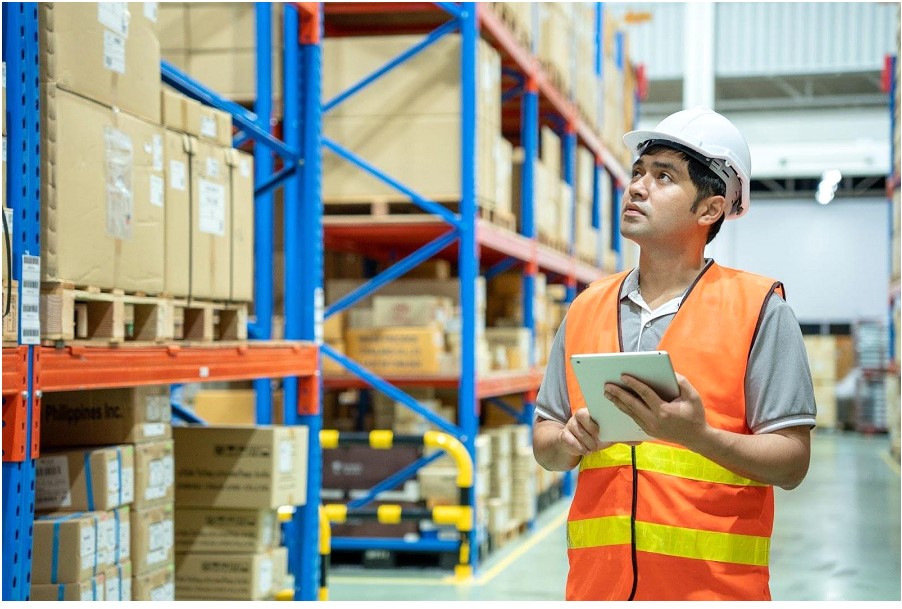
A business can maximize logistics and transportation services using a transportation management system (TMS). This modern software system manages the difficult transportation processes, effectively monitoring product distribution from their point of production to the destination.
A TMS gives control to the periodically hectic shipping industry. Businesses can optimize their supply chain efficiently by using only one platform for all transportation tasks. It allows them to:
⦁ Increase cargo efficiency
⦁ Manage freight booking
⦁ Make smart choices about their shippers
⦁ Effective route planning
⦁ Easy shipment tracking
A TMS allows firms to focus on their primary skills by outsourcing many freight operations, freeing up significant time and resources. With TMS, businesses can speed up deliveries and boost customer satisfaction. By using a transportation management system, companies can utilize smart statistics and find various ways to simplify their supply chain and save costs.
Who Uses a TMS?
A transportation management system (TMS) is a flexible technology many shipping and logistics organizations choose. Here’s who can benefit from a TMS:
Manufacturers: Businesses that create things regularly rely on TMS to effectively deliver final products to warehouses or clients directly.
Retailers: Retailers can use a transportation management system to manage smooth product delivery from vendors to consumers. This system is also used to handle shipments from retailers of small online businesses to major retail chains.
Distributors: TMS is a valuable tool for inventory management and order fulfillment for companies that transport items from producers to retailers.
3PL Providers: By using TMS to improve transportation operations, third-party logistics firms empower their clients to receive effective and affordable transportation alternatives.
E-commerce Companies: Online merchants rely significantly on TMS to manage the growing number of orders and guarantee on-time delivery.
Food and Beverage Companies: TMS is crucial for handling logistics and transportation in this sector because of the tight temperature control and rapid delivery requirements.
Healthcare Providers: Hospitals, pharmacies, and medical supply firms rely on TMS to effectively deliver drugs and delicate medical supplies.
Why is it Important for You to Have a Transportation Management System?
Businesses looking to gain an edge over their competitors and optimize their logistical operations must invest in a transportation management system (TMS). With the help of a TMS, you can perform an in-depth analysis of your transport system to detect any weak areas to improve in your company.
⦁ It helps you reduce costs and shipping expenses, as well as find suitable shipping methods and fast routes for your shipments.
⦁ A TMS boosts customer satisfaction without causing any delays and ensures on-time delivery.
⦁ If you are tracking your supply chain in realtime with TMS, you are going to make wise decisions.
⦁ It also enables the more efficient management of resources and improved decision-making.
Benefits of TMS
A Transportation Management System (TMS) offers numerous advantages to companies engaged in shipping and logistics given as follows.
- Cost Reduction
Using a TMS may significantly reduce shipping costs, and increase your profit margins by managing your transportation system. You can determine the most cost-effective and speedy routes, combine smaller shipments into larger ones, and bargain with shipping providers to get better terms. Also, a TMS assists in preventing costly errors and fines. - Improved Efficiency
A TMS enhances the operational efficiency of your business by automating a lot of costly operations such as load planning, carrier selection, and document preparation. Your employees can get more time to concentrate on more important strategies and projects essential for your business growth. - Enhanced Visibility
A TMS provides great insight throughout the transportation process. It allows you to:
⦁ Monitor your performance
⦁ Check delivery progress
⦁ Real-time package tracking
It can help quickly identify potential delays and mistakes. All you need to do to improve the efficiency of your supply chain to concentrate on your logistics department. It allows you to make smart decisions and increase your response rate, creating a positive impact on customers. - Stronger Customer Satisfaction
A TMS directly leads to higher customer satisfaction by improved delivery accuracy, travel speed, and visibility. Consumers value delivery that is dependable and on schedule, and a TMS assists companies in fulfilling these demands. It’s advisable to provide reliable shipment tracking information to win your customer’s trust and satisfaction. Everyone wants to stay informed about their shipments, so do your customers. It helps create a reliable and strong relationship with your clients.
Improve Your TMS with National Freight Connection
Does your current transportation management system (TMS) not meet your needs? Do you want to prevent struggling with extra shipping costs, ineffective and long routes, or unreliable transporters?
You can transform your transportation business with our wide range of TMS solutions. At National Freight Connection, we deliver professional services that include transport management, rate negotiation, and real-time tracking. You can improve your customer happiness, reduce expenses, and optimize your supply chain by outsourcing our services.
Don’t let outdated technology limit the growth of your company. Get in touch with us at 931-200-5601 to find out how our TMS can transform your transportation business.
FAQs
How can a TMS lower the cost of transportation?
A TMS lowers expenses by shortening routes, combining shipments, negotiating lower prices with carriers, and identifying mistakes and irregularities in the transportation process.
Which are the most important things to think about while choosing a TMS?
When selecting a TMS, think about some important options such as pricing, interface potential, then flexibility, user-friendliness, and supplier reputation.
How can I assess the return on investment from my transportation management programs?
To determine the return on investment (ROI) of your TMS, track key performance indicators (KPIs) such as fuel usage, on-time delivery rates, shipping costs, and customer satisfaction. Compare these measurements before and after using the transportation management programs.
What are the primary hurdles in transportation management?
Legal obedience, provider oversight, ineffective routes, high costs, and real-time access are among the main barriers in transportation management.