
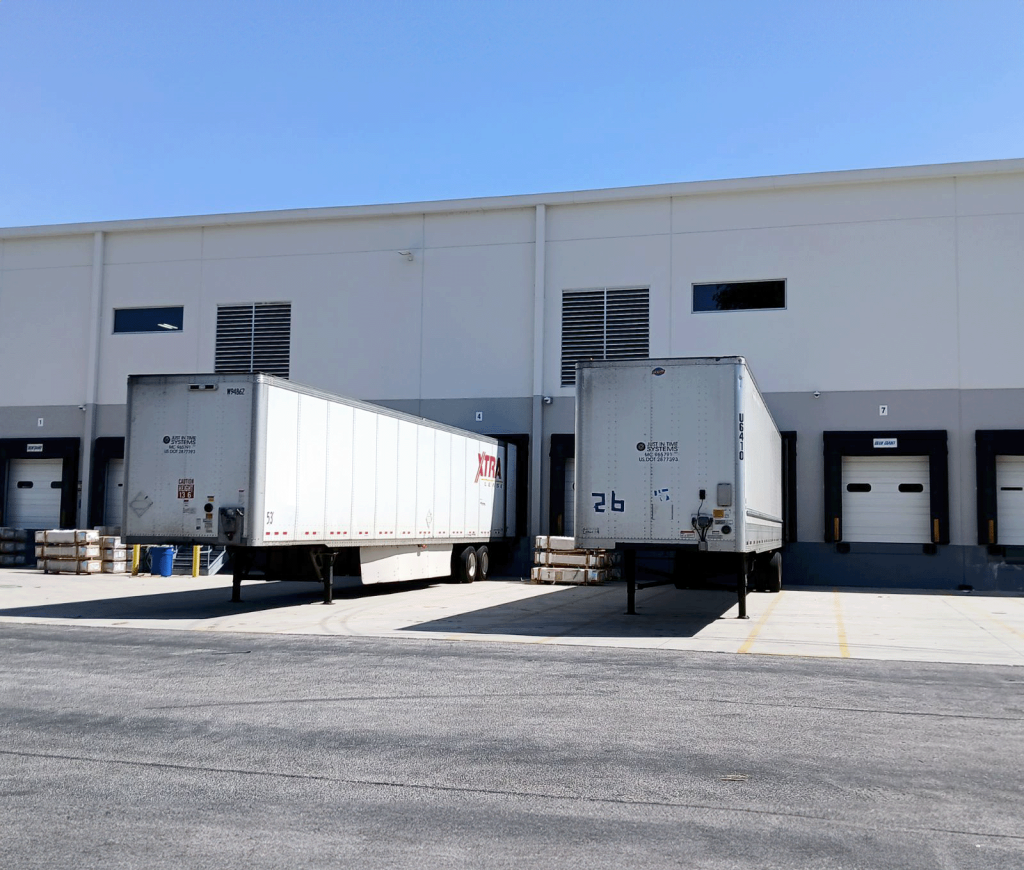
SCM basically deals with developing effective processes within an organization, ensuring that products or services reach the end-user smoothly. It is actually a flow from suppliers to manufacturers down to you, the customer.
Why Are Efficient Processes Important?
Efficient processes are important for a number of reasons, including:
- Cost Reduction: Smoothed operations contribute to reducing unnecessary costs.
- Customer Satisfaction: Fast and reliable delivery raises consumer confidence and satisfaction.
- Competitive Advantage: With efficient supply chains, companies can quickly respond to market changes and demands.
Increasing Importance of Supply Chain Management in Industries
The importance of supply chain management is ever-increasing and now affects industries more than ever. Be it retail, manufacturing, or technology, each sector is dependent on logistics management to increase productivity and profitability.
With the evolution of businesses, refined strategies in supply chains have also evolved. Supply chain dynamics are not a good-to-know concept in today's fast-paced world; rather, they are a must-know.
Key Components of Supply Chain Management Processes
Supply chain management is the complicated web of processes that ensure goods and services move from suppliers to end-users as efficiently as possible.
Movement of Goods
This effectively encompasses the entire transportation of products from one place to another. It composes logistics strategies: transport, warehousing, and distribution for timely delivery, accurate dispatch on time, and meeting the consumers' demand.
Procurement
At a very core level, supply chain management = procurement, the way the right merchandise/services will come in from good suppliers. It is not buying anything; it is instead a relationship to be developed with the vendor so that better materials can be guaranteed at feasible prices. Procurement acts as the connecting dot between planning and execution along the supply chains.
Planning
Planning involves forecasting demand and adjusting the production schedule accordingly to ensure resources are utilized. At the same time, however, waste is minimized, and inventory levels are optimal. Effective planning calls for anticipating market needs and responding to change.
Each element is significant to the overall effectiveness of the supply chain. Concentrating on operational efficiency, cost reductions, and customer value can improve a business in every way.
Supply Chain Management Careers
Logistician
The role of a logistician involves managing and coordinating a product's life cycle-from the procurement of raw materials to delivering the final product to the consumer. Logisticians are responsible for ensuring the supply chain processes work efficiently to keep this flow smooth.
Role and Responsibilities
Coordinated Planning and Analysis: Logisticians coordinate with suppliers, manufacturers, and retailers in the processing so that goods arrive on time. They analyze the data to solve the logistic problems before they are realized.
Inventory Management: It is very crucial to keep a record of inventory. A logistician should maintain an optimum stock, not too little to cause a shortage, nor too much to result in unwanted carrying costs.
Process Improvement: This is a continuous process by which a logistician finds ways to improve processes. It may involve route optimization for shipment or finding cheaper alternatives to source materials.
Technology Utilization: With the use of technology, it becomes easy to track shipments and manage logistics operations. The knowledge of logistics management software will definitely add to one's productivity.
Cost Estimator
Estimators play an essential and dynamic role in the supply chain management. Cost estimators primarily evaluate and forecast the financial costs of production processes, projects, and services. They are primarily involved in providing authenticated financial estimates, which allow an organization to plan its budgets accordingly and make well-informed decisions.
By analyzing various factors such as labor, materials, duration, and any potential risks, they provide insights important for maintaining efficiency and profitability.
With the enhancement in the complexity of the global supply chain, estimation skills have become in demand. It also provides a good platform to get into higher management levels related to logistics management or purchasing departments. Cost estimators working in any industry will see a sure growth prospect because proper cost estimation is inevitable in every business.
Purchasing Manager
A purchasing manager plays a vital role in facilitating logistical management for operational efficacy at every level of the supply chain segment. To begin with, this requires formulation and implementation of purchasing policies that provide goods or services and enable operations to be carried out efficiently within an organization.
Secondly, a purchasing manager could source at more significant economic benefit-cost efficiency coupled with quality consideration through good partnering with suppliers.
Choose National Freight Connection
Ready to optimize your logistics operations? Contact us here at National Freight Connection today and discover how our professional logistics management solutions can streamline your supply chain. Our experienced team is standing by to provide personalized strategies that drive efficiency and cost savings for your business. Call us at (931) 200-5601 to schedule a consultation and take the first step toward logistics excellence. Let's connect and transform your logistics challenges into opportunities for growth.