
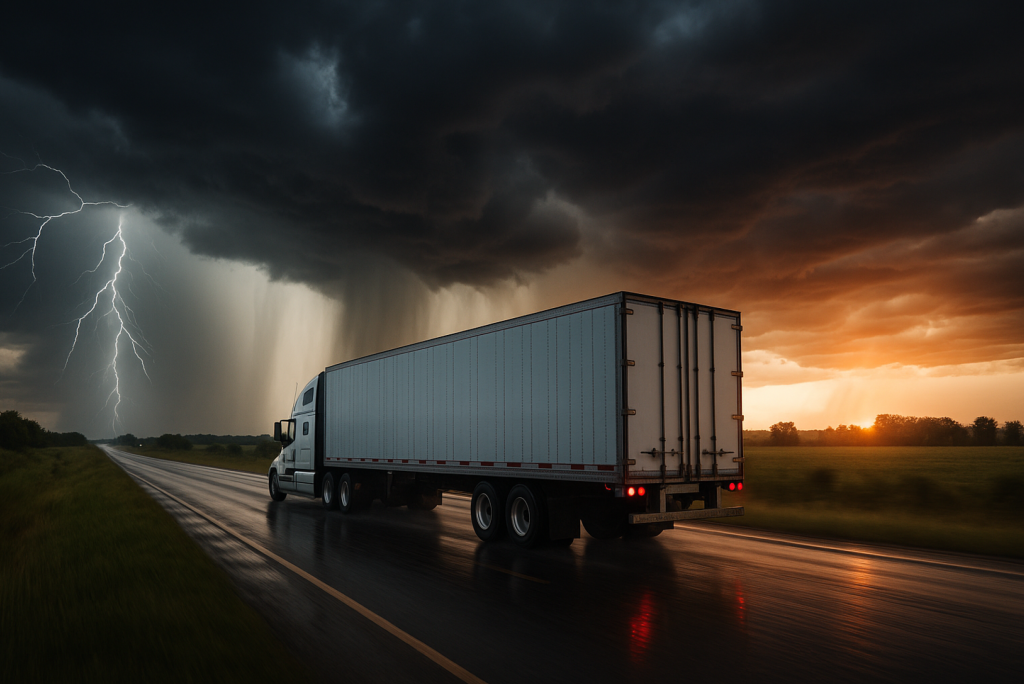
Extreme weather has gone from abnormal to normal. Floods, wildfires, snowstorms, and heatwaves are the new reality of the freight world, where disruption is now baked into operations.
Freight isn’t just facing soft demand or high fuel prices: It’s also battling Mother Nature. At National Freight Connection, we’ve seen extreme weather events quickly knock the best supply chains out of whack.
How can logistics teams and freight planners ensure that they’re ready, efficient, and can move goods all year long? How can companies prepare for the freight disruptions of a volatile climate?
Let’s explore the impact of today’s weather extremes, strategies that are working, and how we help partners stay ready, come what may.
🌧️ Weather Disruptions Are Only Getting Worse, 2025 edition
It’s not just you, extreme weather is increasing and freight is on the front lines of that change.
Extreme Weather Trends Impacting Freight in 2025:
● Storms & Flooding: From hurricane season on the Gulf to spring floods in the Midwest, storms are causing more frequent shutdowns to ports, rail hubs, and highways.
● Temperature Extremes: Heatwaves and cold snaps are causing more equipment issues and resulting in shipping delays with temperature-sensitive freight.
● Global Ripple Effects: A typhoon in Asia or a wildfire in Canada can delay containers and cause backlogs halfway around the world.
● Regulatory Friction: Shifting emissions rules and more recently California’s rollback of the ACT rule have caused confusion around fleet requirements and emissions, especially in extreme weather states.
If companies don’t have a strategy to protect their freight during these events, weeks of disruption and unexpected costs can ensue. Many unprepared shippers saw logistics costs rise by as much as 20% during weather events.
🔧 Weather-Proofing Freight for Success
Smarter freight teams are not waiting around for the next big disruption. Instead, they’re building resilience into their playbooks to minimize downtime and keep freight moving.
Here are four strategies freight teams are using to protect goods and keep their freight rolling:
📍 Build In Flexibility
- Plan routes with alternate routings around storm zones
- Consider multi-modal shipping (truck + rail + air) for additional flexibility
- Stock more inventory in regional hubs to reduce supply chain gaps
🌦️ Invest In Technology That Sees the Storm Coming
- Use real-time weather tracking to reroute loads before a delay hits
- Use IoT sensors & telematics to monitor cargo conditions
- Deploy predictive analytics to anticipate demand spikes/shortages
🚛 Weather-Proof Your Fleet
- Invest in equipment ready for the changing climate and temperature-controlled trailers
- Work with providers who have redundant networks and back-up distribution centers in different regions
- Train drivers on adverse weather conditions and protocols for safety and compliance
📣 What Industry Leaders Are Saying
“65% of carriers are investing in weather-resistant equipment to keep freight moving during storms.”, American Trucking Associations
“Regional hubs and short-haul strategies are proving vital in reducing exposure to long-haul disruptions.”, SupplyChainIQ Analyst
“Weather-proofing must align with sustainability goals, especially as climate regulations evolve.”, Natural Resources Defense Council
📉 The Regulatory Wild Card
California recently reversed some of its emissions rules, creating confusion and hesitation across the industry. Some shippers are postponing green investments; others are scrambling to upgrade trucks and pay more to comply with shifting state standards.
Either way, more red tape and uncertainty are going to result in added risk and a shakeup for already-fragile supply chains.
🌍 Global Freight, Local Impacts
When a severe weather event strikes at a port overseas, it’s not just that port that suffers. Shippers, brokers, and end businesses feel the impacts worldwide:
● Delays lead to stockouts and missed deadlines
● Shipping costs spike during crisis “windows”
● Inventory strategies are rattled, especially with just-in-time practices
● Companies are adjusting in different ways, such as:
● Building regional distribution centers
● Adjusting shipping schedules
● Planning for more pricing flexibility
💡 How NFC Approaches Weather-Ready Logistics
At National Freight Connection, we’re used to helping clients navigate all sorts of disruptions, including extreme weather. Our guiding principle is always flexibility and communication to help partners plan proactively.
Check out what we do:
● 🚚 Flexible routing with real-time visibility
● 🧭 Redundant infrastructure across multiple regions
● 📡 Advanced forecasting & telematics to protect freight
● 🛠️ Tailored strategies that make sense for your business and risk profile
☔ Summary: Prepare for Weather Disruptions Before They Happen
Extreme weather isn’t going anywhere, but your business doesn’t have to take a beating because of it. With the right plan in place, the right partners, and the right tools, you can head off disruption and deliver no matter what the forecast is.
Get in touch today to start a logistics strategy that can withstand any weather.
📞 Call us: (931) 200-5601
📬 Email us: [email protected]