
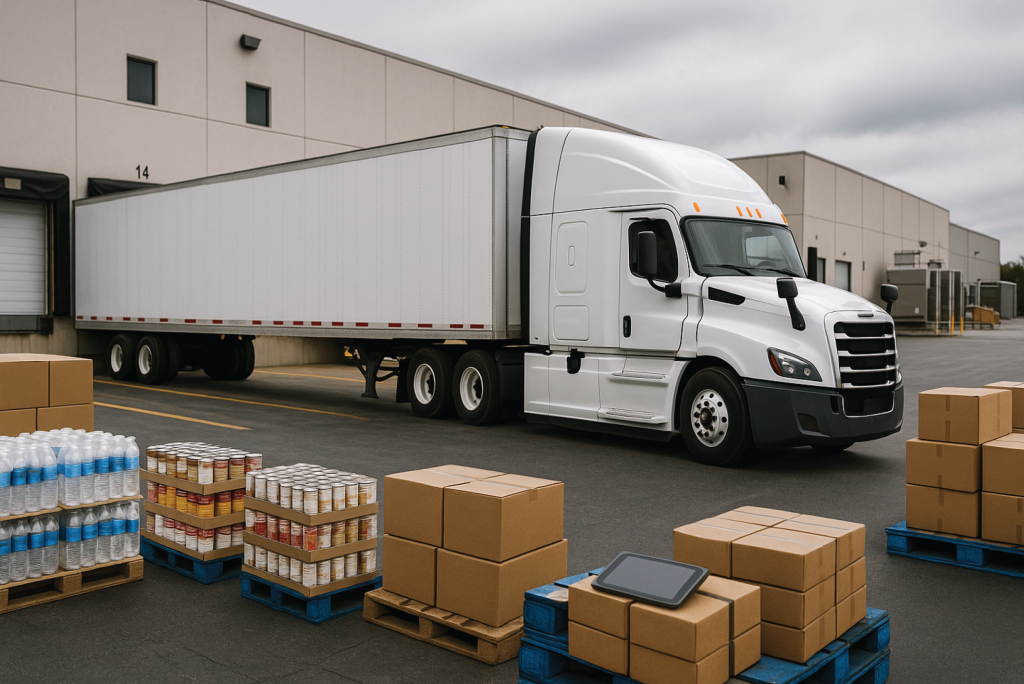
The dry-van market in late 2025 is soft. Rates are flat, spot demand is low, and capacity continues to outpace freight availability. Per DAT Freight & Analytics, national van rates hover near 5-year lows, and days of “easy freight” are over.
But every downturn has opportunity 💡.
Opportunity abounds when others settle. A slow market is prime time to double down on your niche, forge new partnerships, and invest in the freight you win again and again.
🔍 Hidden freight opportunity in an oversupplied market:🔹 Built on reliability
🔹 Anchored by relationships
🔹 Rooted in specialization
🎯 1. Pivot From Miles to Value
Spot freight is a volume game, and a slow market is no time to chase miles.Instead, focus on freight that rewards dependability and service, not a spot rate.
Ask yourself:
🔹 What time-sensitive freight moves through my network?
🔹 What customers value reliability, not savings?
🔹 Are there lanes competitors avoid that my team runs consistently?
💡 Example: One small Ohio carrier stopped bidding on spot freight, and now exclusively runs dedicated weekend shipments for a regional food distributor, guaranteed freight, premium rates, zero down-time.
📦 2. Dig Into Niche Verticals With Built-In Stability
Soft market or not, these segments never sleep:
📦 Retail replenishment / e-commerce: Tight windows, steady volume.
🥫 Consumer packaged goods (CPG): Perennial movement of food, hygiene, paper products, and other essentials.
🏗️
Regional manufacturing: Focus on local-to-regional runs where the premium is on-time performance.
💊 High-value freight: Electronics or pharmaceuticals where trust is rewarded with a rate premium.
🤝 3PL partnerships: Brokers and 3PLs in need of reliable, regional capacity when national fleets are saturated.
💡 Example: One Florida-based carrier focused on steady freight hauling cases of packaged water, not glamorous, but high-reliability, year-round freight.
💰 3. Focus On Value, Not Volume
Profit per load should outperform loads per week.
Identify value with these KPIs:
🔹 All-in Revenue per Mile (RRM): Fuel, tolls, and driver pay excluded.
🔹 Dwell Time: Shorter unload windows can swing margins.
🔹 Frequency: Predictable loads = predictable revenue.
🔹 Customer Performance: “Every Friday at 8 a.m.” > “Maybe Tuesday.”
💡 Example: A 3-truck regional carrier trimmed 15% of its lowest-margin lanes and saw profits increase 9% by simply cutting high-dwell customers.
🤝 4. Build Relationships Where Competition Doesn’t
Winning niche freight is about relationship and recognition.
Practical Steps:
📬 Call local shippers, introduce yourself, and get on their radar as a local provider.
📈 Post driver experience, on-time performance, and safety scores on your website and LinkedIn.
🔗 Network through 3PLs and brokers who need steady regional capacity when national carriers flood the lanes.
🎯 Brand yourself by lane and vertical: “Mid-Atlantic Retail Delivery Experts” says more than “We haul anything.”
💡 Example: A small Tennessee carrier branded itself a “Last-Mile Retail Specialist” and got three new clients through word-of-mouth alone.
🔍 5. Invest In Service & Visibility
Carriers win repeat freight by being dependable, transparent, and not the lowest-cost bidder.Leverage technology to “act big” even when you’re small:
📡 ELD-integrated tracking for real-time visibility.
💬 Proactive communication to keep brokers and shippers updated.
📊 Weekly performance reports with complete visibility on how your team is performing.
When a customer can count on you, the next load is already yours.
🚦 Final Thought
The freight market may be flat, but there is always a lane to own.
Focus on value, specialization, and reliability to turn a slow market into your competitive edge. Smart carriers build reputation, not just rates.
📞 Call to Action
Looking for consistent shippers to connect with and strengthen your lane strategy?Partner with National Freight Connection (NFC), built on relationships that drive reliability and reliability that drives results.
📞 Call: (931) 200-5601
📧 Email: [email protected]