
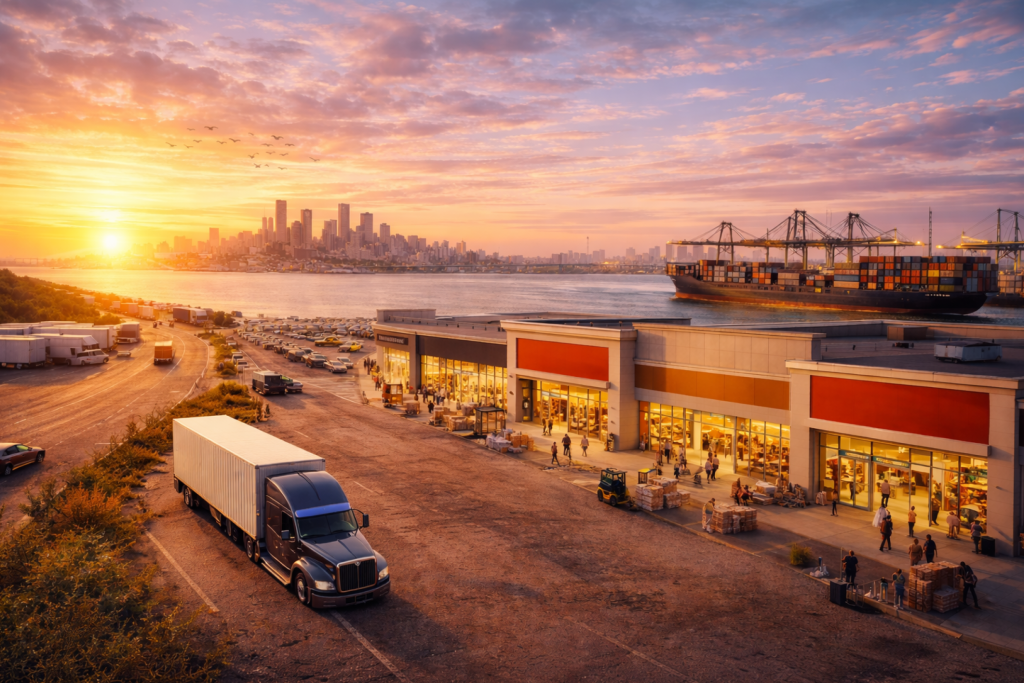
Freight recoveries are never clean or evenly distributed.
Every downturn reshapes the industry in quiet ways. Some operators go bust. Others get leaner. Freight flows change as shippers rethink networks, and capacity gets redeployed. As we move toward 2026, the recovery won’t show up everywhere at the same time, and it certainly won’t lift every sector equally.
The next upcycle will favor lanes built on steady demand, resilient supply chains, and disciplined capacity, not speculation or short-term bets.
A Reset, Not a Quick Bounce
Freight cycles rarely snap back overnight. Long-term analysis frequently cited by ACT Research shows that recoveries usually follow structural corrections. Excess capacity exits slowly, demand comes back unevenly, and productivity becomes the real separator.
That process is already playing out.
Shippers are tightening networks and reducing complexity. Carriers are right-sizing fleets instead of chasing volume. Brokers are focusing more on service, compliance, and sustainability than growth at any cost. This reset is laying the groundwork for a more selective and healthier recovery.
Manufacturing, A Slower Start With Staying Power
Manufacturing freight is unlikely to lead the early stages of the recovery, but when it turns, it tends to bring meaningful volume with it.
Insights reflected across platforms like DAT Freight & Analytics suggest industrial freight remains sensitive to interest rates, capital investment, and inventory correction cycles. Once those pressures ease, manufacturing lanes often accelerate quickly and stay active longer.
When manufacturing does rebound, it typically brings:
● Heavier dry van and flatbed volumes
● Longer-term contract commitments
● Tighter service requirements tied to production schedules
Manufacturing may not spark the recovery, but it often defines its strength.
Consumer Staples, The Steady Backbone
Consumer staples don’t generate much buzz, but they quietly keep freight moving.
Food, household goods, and essential retail categories continue shipping even in softer markets. As inflation cools and consumer behavior stabilizes, these lanes are expected to provide some of the earliest consistency.
Large logistics providers like C.H. Robinson often point to consumer staples as foundational freight. Volumes are steady, lanes are predictable, and volatility is lower than in more discretionary categories.
These lanes may not surge, but they create the baseline demand that supports a broader recovery.
Retail and E-Commerce, More Disciplined Than Before
Shippers are ordering closer to real demand signals, reducing speculative inventory builds, and tightening expectations around service. The result is fewer panic-driven surges and more controlled replenishment cycles.
Going forward, expect:
● Shorter lead times
● More regionalized distribution strategies
● A stronger focus on on-time performance
Retail freight will grow again, but precision will matter more than speed.
Where the Recovery May Lag
Not every sector will rebound at the same pace.
Discretionary goods, oversized speculative imports, and freight tied closely to volatile consumer confidence may continue to lag into 2026. These segments are more exposed to pricing pressure and inventory overhang, making recoveries slower and less predictable.
Capacity chasing these lanes may face continued margin pressure.
What the 2026 Recovery Will Actually Reward
Across every sector, one theme keeps showing up, execution matters more than optimism.
The recovery will favor:
● Lanes with predictable, repeatable demand
● Partners who bring clean data and real visibility
● Networks built for reliability, not spikes
● Capacity aligned with actual consumption, not hope
The next freight cycle won’t reward whoever moves first. It will reward whoever is positioned best.
Final Thought
The great freight shakeout isn’t really about who survives the downturn.
It’s about who is prepared when demand starts to rebuild.
Manufacturing, consumer staples, and disciplined retail lanes are likely to lead. Highly volatile, speculative freight will lag. And the companies that understand where demand is genuinely returning will be the ones capturing opportunity in 2026.
Recovery never arrives everywhere at once. But it always rewards those who plan ahead.
Ready to Position for the 2026 Freight Recovery?
If you’re looking to align your network with the lanes and sectors most likely to grow in 2026, reach out to our team today. We help shippers, brokers, and carriers prepare for what’s next, not just react to what’s now.
📞 Call: (931) 200-5601
📧 Email: [email protected]