
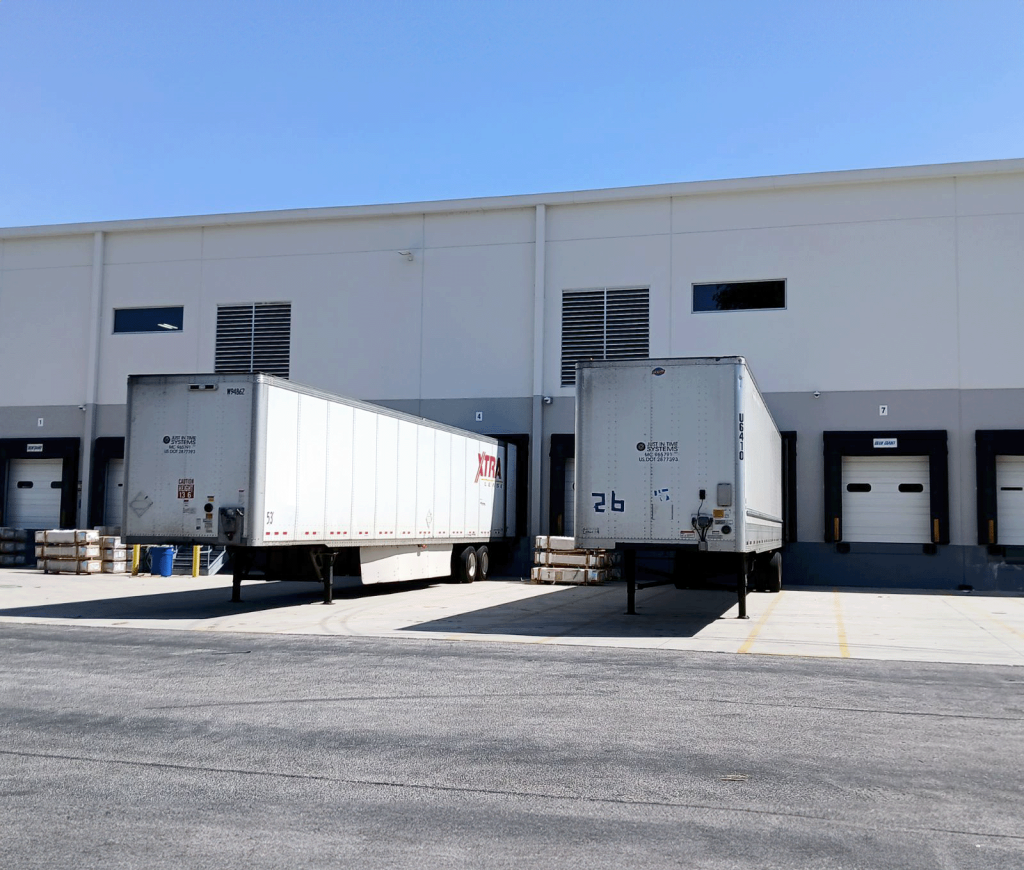
The world of trucking is undergoing an overnight revolution. At National Freight Connection, we know how shifting economics and emerging tech are altering this vital industry. Imagine this: autonomous trucks shared on highways alongside conventional trucks as digital platforms start to reshape how products travel from point A to point B between states. Everything that's being changed isn't something on the horizon of our future - they're happening today and affecting lone drivers right down to fleet managers.
It is crucial for business owners as they build their logistics plans, for active truck drivers who must adapt to living with new technology, for market participants preparing for future developments, and for future drivers organizing their own futures. The trucking world in 2025 and beyond will be fundamentally different from today.
As your logistics firm, we're committed to assisting you through these changes and transforming challenges into opportunities. Let's discuss how these changes are constructing the future of truck driving and what they mean to your company.
Economic Pressures Facing Truck Drivers
The trucking industry faces significant financial challenges that directly impact your bottom line as a driver. Let's break down these pressing economic factors:
1. Rising Operating Costs
- Diesel prices have surged by up to 40% in recent years
- Vehicle maintenance expenses continue to climb
- Insurance premiums keep increasing year after year
- Regular equipment upgrades are required to meet new regulations
2. Freight Market Volatility
The unpredictable nature of freight rates creates financial uncertainty for drivers:
- Spot market rates can fluctuate dramatically from week to week
- Seasonal demand shifts affect load availability
- Economic downturns lead to reduced shipping volumes
- Competition from digital freight platforms impacts traditional pricing models
3. Driver Wage Concerns
Despite the essential nature of truck driving, compensation remains a critical issue:
- Entry-level drivers often start at $40,000-$45,000 annually
- Experienced drivers report stagnant wages despite inflation
- Pay structure variations (per mile vs. percentage) affect income stability
- Limited benefits packages compared to other industries
These financial strains feed into an adverse situation where almost 90% of drivers abandon their carriers within the first year. The synergy of elevated operating costs, market volatility, and pay issues ends up creating a perfect storm that impacts both the drivers individually and the sector in general.
At National Freight Connection, we recognize these issues and strive to develop sustainable solutions that are good for drivers and carriers alike. We're committed to building strategies to counteract these financial pressures without sacrificing service levels.
The Driver Shortage Debate
The debate around truck driver shortages continues to spark intense discussions within the transportation industry. The American Trucking Associations (ATA) reports a significant shortage, projecting a need for over 160,000 drivers by 2030. This perspective suggests dire implications for supply chains and consumer goods delivery.
Recent research from the OOIDA Foundation presents a different view. Their studies indicate the perceived shortage might actually stem from retention issues rather than a lack of qualified drivers. The data shows:
- 400,000+ new CDL holders enter the industry annually
- Driver turnover rates exceed 90% at large carriers
- Small fleets report significantly lower turnover rates
These observations indicate the actual challenges to job quality and employee retention strategy. Business entrepreneurs should take cognizance of these consequences while strategizing on their logistics plan. Existing truck drivers should learn to adapt to new technology, while industry players should prepare for future market patterns. Potential drivers should also take these into consideration while considering career opportunities.
The market forces envision an industry in distress with structural problems, not an easy supply-demand imbalance. Knowing the subtleties brings sound strategy to carriers and shippers.
Technological Advancements in Trucking
Trucking is leading the charge in a revolution in technology that's transforming the way goods make their way around the nation.
Autonomous trucks are no longer on the drawing boards - they're bound for a highway near you. Some firms are currently running tests of autonomous trucks in a simulated setting, with the new logistics era to begin.
Major Automation Milestones
The most recent innovations in automation have seen the integration of sophisticated driver assistance systems (ADAS), the installation of platooning technology, the implementation of route optimization using AI, and the utilization of predictive maintenance technology.
These technologies bring with them challenges and opportunities to the industry. Autonomous vehicles promise safer transport with reduced human error and increased efficiency with the potential to drive 24/7. However, fears about job security and the need for human intervention lead the argument.
Digital platforms are transforming how drivers interact with their work environment. Mobile apps now handle:
- Real-time load tracking
- Electronic logging devices (ELD)
- Route planning
- Digital documentation
- Instant communication with dispatch
At National Freight Connection, we have seen firsthand how these technology aids make it easier to service customers. The use of electronic platforms has made operations efficient, minimized paperwork, and facilitated communication among drivers, dispatchers, and customers.
The development of logistics technology also generates new driver skill requirements.
Truckers today must be technology literate, working with all sorts of electronic equipment while still relying on their good old-fashioned driving skills. This change gives drivers the chance to learn new skills and become more strategic players in the supply chain.
Regulatory Changes Affecting Truck Driving
The trucking sector will soon be through spectacular regulatory times as we step into 2025. Federal Motor Carrier Safety Administration (FMCSA) has enforced stronger regulations for electronic logging devices (ELDs) to make every commercial truck hold digital records for drive time and rests.
Upgrades on Fundamental Safety Standards
Some of the recent advancements in significant safety regulations involve the enforcement of stricter drug and alcohol testing procedures, compulsory sleep apnea testing for high-risk drivers, provisions for advanced driver assistance systems (ADAS), and raising the minimum liability insurance coverage.
These safety practices will change drivers' day-to-day routines and duties. You'll need to adapt to alternative paperwork procedures and follow different guidelines on rest breaks.
Environmental Policies Driving Change
The EPA's Clean Trucks Plan sets ambitious goals to cut commercial truck emissions. Some recent changes to the most important regulations in safety standards are tighter testing requirements for drugs and alcohol, sleep apnea screening requirements for high-risk drivers, ADAS mandates, and higher minimum liability insurance coverage.
These green technologies create new avenues for operators familiar with driving electric and hydrogen cars. Our carrier partners are upgrading our fleet and training procedures to embrace these new standards without interrupting contiguous delivery schedules.
This union of safety requirements and green regulation represents a new regime of operation. The key is to stay up-to-date on certification standards as well as make a commitment to clean tech technology.
Future Opportunities in Truck Driving
The trucking sector is changing, and there are new modes of growth and expansion on the horizon. The most probable areas among them would be specialty freight transportation, that is, hauling some type of goods, such as temperature-controlled products, hazardous cargo, or high-value shipments.
Growth Potential in Specialized Freight Transport
With the growing demand for such professional services, truck drivers who have the ability to provide expertise in the transportation of such cargo will be assured of full-time employment, whether it is delivering perishable items to their destinations fresh or hauling hazardous material safely, the appropriate skills and knowledge will place drivers ahead of their peers.
Advantages of Strategic Alliances
But another way that truck drivers can be competitive in this evolving industry is by forming strategic partnerships with technology companies. With the help of firms that specialize in logistics software or mobile apps, carriers can leverage advanced tools and resources that enable them to optimize their operations more effectively.
Partnerships can result in:
Real-time load matching: Matching drivers with available short-notice loads
Dynamic route optimization: Using algorithms to determine the most efficient routes for deliveries
Increased customer visibility: Giving customers real-time location information on where their shipments are
Predictive maintenance scheduling: Predicting when vehicles will fail and scheduling them for service ahead of time
The Impact of E-Commerce on Truck Driving
E-commerce has also opened up new trucking opportunities, mostly for last-mile delivery. As online sales grow, so does the need for quick and effective delivery.
To take advantage of this trend, drivers can:
- Become a specialization city logistician: City driving with knowledge of the dynamics of driving urban roads and parcel delivery in large cities
- Build relationships with local businesses: Partnering with retailers or restaurants to offer same-day delivery options
- Master time-sensitive deliveries: Ensuring that packages arrive at their destinations within specific timeframes
- Specialize in delivery zones around people: Concentrating on specific areas or neighborhoods with heavy demand
Here at National Freight Connection, we've witnessed firsthand how our partnership business model has benefited our carriers. By linking them up with large customers and giving them consistent amounts of freight, we're enabling drivers to create stable businesses.
The Role of Green Logistics
One industry where growth could be seen is in green logistics. With an increasing number of businesses concentrating on sustainability, corporations are looking for transport providers with the same ecological mindset.
Drivers who adopt environmentally friendly practices, e.g., driving fuel-efficient trucks or lowering waste, are the kind of drivers such companies value as good collaborators to have.
Furthermore, it is worthwhile to know about electric vehicles (EVs) since more companies are shifting away from conventional fossil fuel-based fleets. Knowing EV technology and charging systems will help drivers accommodate clients with certain sustainability objectives.
Though there are issues to contend with in the trucking sector, there are plenty of opportunities in the making as well. Truck drivers can earn their reputation as successful professionals in this constantly changing industry by adopting a flexible and receptive attitude towards new trends, be it specialized freight hauling or green logistics.
The human driver is not getting automated out any time soon either, since the machines only handle the easy highway middle, a point I lay out in why the market stays human for years yet.
Choose National Freight Connection
The future of truck driving has challenges as well as opportunities. Being updated with improvements in the industry allows one to be capable of keeping pace with the changing world without fear. National Freight Connection is aware of these advancements and aims to provide you with answers to meet your demands.
We are here to guide you in adapting and evolving with this evolving industry. You can enhance your logistics performance or obtain some expert advice on the latest industry trends; our team is ready to assist you.
Ready to discuss your logistics needs? Give us a call at (931) 200-5601 for tailored solutions that align with your business goals.