
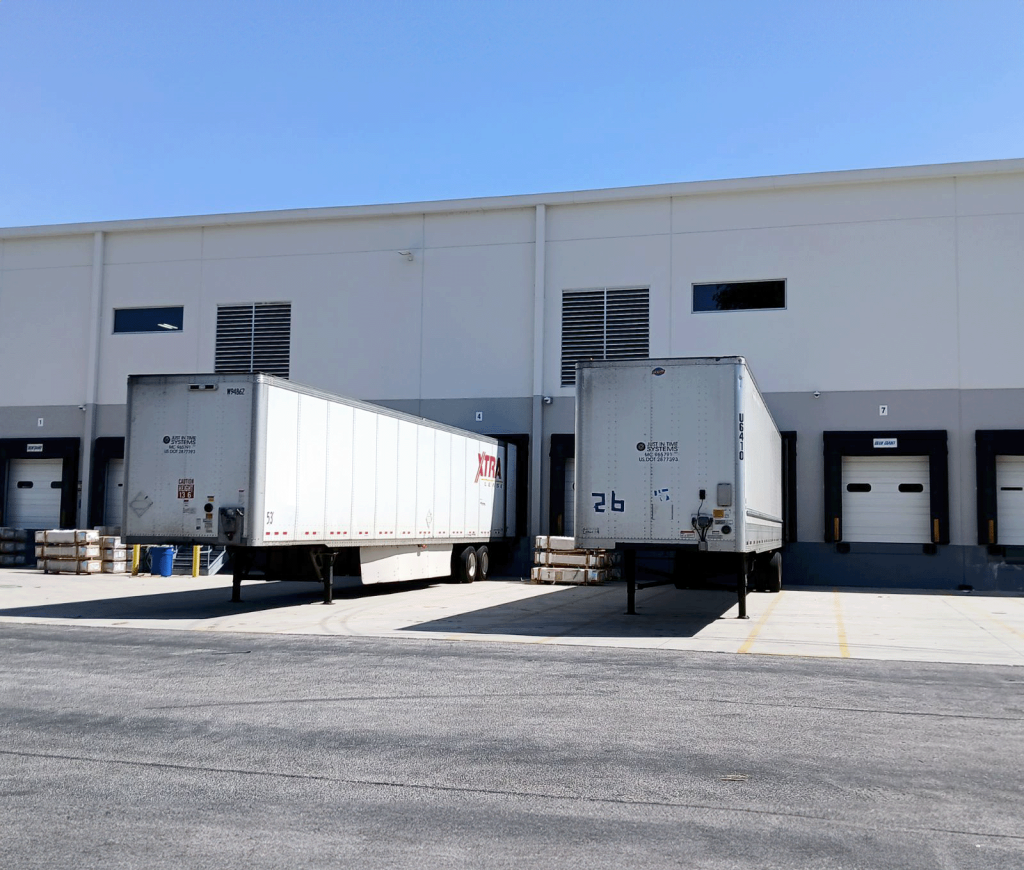
Healthcare logistics are necessary for facilitating effective patient care. It involves the management of resources, personnel, and information to ensure a coordinated flow of supplies and more to hospitals and clinics. Healthcare logistics face a host of challenges. From inventory shortages to other shipping process issues, disruptions to patient services and increasing costs are possible without proper management. The pressure can seem relentless in this critical industry.
Smoothing logistics management involves not just troubleshooting immediate problems but also refining the general operational efficiency. Through refined logistic strategies, healthcare facilities can reduce waste, cut costs, and, more importantly, keep every patient receiving the highest standard of care possible.
Step 1: Enhance Resource Management
Resource management in a healthcare facility is one of the major logistics concerns. For smooth operations and high-quality patient care, a hospital's management should ensure that supplies are well managed.
The Importance of Effective Supply and Personnel Management
Inventory Management
Efficient inventory management ensures that key medical supplies are available, minimizing disruptions to patient care. It covers the areas of correct tracking and forecasts where needed to ensure supplies are effectively aligned with demand.
Strategies to Ensure Availability of Medical Supplies at the Right Time
Inventory Tracking Automated Systems
Implementing real-time monitoring of inventory levels by automated systems minimizes human error and promotes quick replenishment of necessary supplies.
Vendor Partnerships
Building strong relationships with reliable suppliers allows for granting priority to delivery schedules and keeping a constant inflow of necessary materials.
Demand Forecasting
Using historical data and predictive analytics to anticipate future needs prevents both overstock and stockout situations.
Best Practices for Optimizing Staff Scheduling
Flexible Scheduling Software
Sophisticated scheduling software can address changes in the volume of patients and personnel and adjust them accordingly.
Regular Communication
Open communication about schedule changes will be known to the personnel well in advance, eliminating misunderstanding and reducing inventory errors. These strategies result in more efficient logistics, optimal resource utilization, and enhanced patient care.
Step 2: Leverage Technology for Smoothening Operations
The use of advanced technology can transform healthcare logistics. Artificial intelligence is being used more and more to find creative solutions for some of the thorny logistical issues that can occur.
AI Use in Healthcare Logistics
AI provides predictive analysis for demand spikes, route optimization for delivery, and efficient resource utilization. For instance, machine learning algorithms go through past data to predict when certain medical supplies will be most in need and prepare them for when you need them. IoT (Internet of Things) devices track data in real time through sensors attached to medical equipment and supplies, minimizing the possibility of loss or theft.
The Usage of Data Analytics in Inventory Management
Data analytics has become very important in enhancing inventory management practices. By analyzing consumption trends of supplies and needs for patient care, healthcare facilities can maintain optimal levels of stock without overstocking the storage facilities or running out of stock. This accuracy eliminates waste and ensures that critical supplies are always available. For example, tracking the usage of surgical instruments enables hospitals to reorder only what is needed to avoid unnecessary expenses and storage space.
How Cloud Computing Improves Supply Chain Visibility
Cloud computing offers unparalleled supply chain visibility due to how data is collected from diverse sources. This transparency allows you to monitor supply chain events in real time, triggering swift decisions and allowing you to respond flexibly to disruptions. Cloud-based platforms also allow suppliers, developers, and end users to access up-to-date details on inventory levels, shipment status, and estimated time of arrival.
All these technological enhancements tend to smooth operational convenience, increase overall efficiency, and enable healthcare providers to focus on their core objective: excellent patient care.
Step 3: Engage in Collaboration with External Partners
Contracting with trusted healthcare logistics partners can help iron out the complex, burdensome healthcare delivery processes. Partnerships offer integrated logistics solutions to specific issues one faces within a given facility, ranging from streamlining supply chains to timely distribution of consumables.
A good contract logistics provider can help solve resource shortages that affect patient care. With better resource management, healthcare workers can focus on improving patient outcomes instead of dealing with paperwork.
Here are some ways this partnership can help your facility:
- Access to Expertise: Experienced providers bring industry knowledge and innovative practices that might not be available in-house.
- Scalability: These partnerships can offer scalable solutions to meet the increased demands in a growing facility without compromising the quality of the service provided.
- Cost Efficiency: Shared resources with a logistics partner lower operational costs by allowing reinvestment of those savings into improvements in patient care.
Real-world examples illustrate the power of effective collaborations. When a hospital network works with a committed logistics provider to rationalize its supply chain, the benefits are twofold: inventory costs go down, while delivery time is reduced. On the other hand, several small clinics can collaborate with a professional logistics company, like ours here at National Freight Connection, to facilitate consolidated sourcing, decreasing procurement costs by a huge margin.
Partnerships with external logistics experts can greatly improve healthcare operations. They help make processes more efficient and promote innovation in a changing industry. By creating these alliances, your facility can provide better patient care while ensuring smooth operations.
Let Us Take The Steps For You: Choose National Freight Connection
These are the key factors that can be highly amplified to advance healthcare logistics: better use of resources, advanced technology, and collaboration with external partners will drive improved patient outcomes at lower costs. It is this operational efficiency that will ultimately translate into the best quality care for all patients.
Contact National Freight Connection today at (931) 200-5601 for a customized approach to your logistics optimization. Because of our specific knowledge and experience in healthcare logistics, innovative and adaptive solutions can be developed to meet your unique needs.
Let's work together and take your logistics to the next level of dependability and service excellence.