
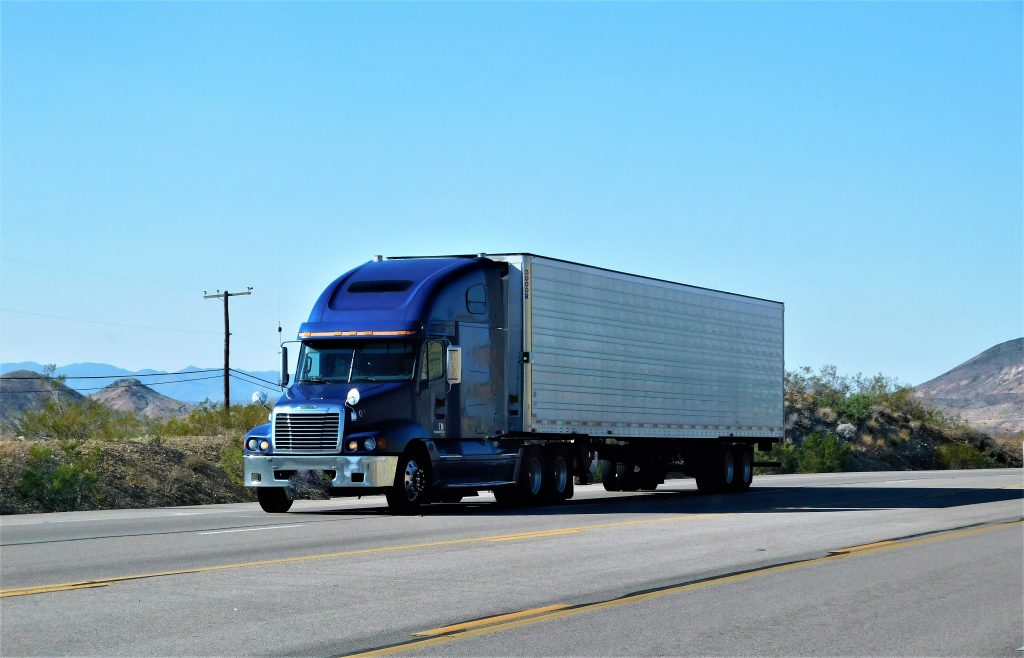
The US trucking industry is experiencing major shifts in demand patterns, presenting both threats and challenges for companies across the supply chain. This uncertainty defines modern logistics, with demand levels rapidly fluctuating between extremes over short periods.
Key Market Indicators:
- Increased volatility in spot market rates
- Shifting regional demand patterns
- Varying capacity utilization rates
- Unpredictable seasonal peaks
For businesses in freight logistics, grasping these market dynamics is essential for survival. Your ability to adapt directly affects:
- Operational efficiency
- Cost management
- Customer satisfaction
- Resource allocation
- Strategic planning
The US freight market is a vital indicator of broader economic trends. Recent data reveals significant variations in shipping volumes across sectors:
- Retail: +15% year-over-year fluctuation
- Manufacturing: -8% to +12% monthly swings
- E-commerce: Consistent but variable growth
These conditions require logistics managers to be agile and adaptable. Thriving in today’s freight environment requires a deep understanding of these changes and the ability to pivot swiftly as market conditions evolve.
The Impact of Economic Instability and Market Volatility on Freight Demand
Economic trends significantly influence the freight sector, affecting shipping volumes and patterns. Reduced consumer confidence can lead to decreased retail activity, diminishing the haulage of consumer products across the supply chain, from raw materials to finished goods.
Recent statistics indicate:
- Retail Sales Volatility: A 2% shift in customer spending can result in a 5% swing in freight loads.
- Industrial Production Fluctuations: Inventory transport adjustments correlate with manufacturing sector production changes.
- Inventory Management Adjustments: Shifts between safety stock and just-in-time strategies impact freight scheduling.
Logistics managers can respond to market volatility by:
- Building flexible carrier networks with backup options
- Negotiating variable-rate contracts that reflect market conditions
- Developing regional warehousing solutions to sustain service levels
- Utilizing data analytics to forecast demand patterns and adjust capacity
The relationship between freight demand and economic factors is complex. During periods of low GDP growth, firms often reduce inventories, leading to sharp declines in shipping needs. Conversely, economic recoveries can trigger significant increases in freight demand as companies replenish stocks. Successful logistics managers maintain strong relationships with reliable carriers and remain agile enough to adjust based on market shifts.
E-commerce Expansion: A Freight Logistics Game Changer
The e-commerce boom has transformed freight logistics, placing unprecedented pressure on shipping networks. Online retail sales have surged 45% since 2019, radically altering shipping volumes and trends.
This shift has introduced new challenges for logistics providers:
Increased Shipping Frequency: Carriers now handle numerous smaller packages delivered directly to consumers instead of large shipments to retail stores.
Variable Load Sizes: The mix of individual parcels and traditional freight demands flexible cargo space management.
Peak Season Intensity: Holiday shopping spikes necessitate careful capacity planning.
Consumer expectations have evolved alongside e-commerce:
- Next-day or same-day delivery options
- Real-time tracking capabilities
- Flexible delivery windows
- Multiple choices for shipping speed
These demands compel logistics operations to adapt swiftly to changing market realities, ensuring they meet the high standards set by modern consumers while navigating the complexities of an ever-shifting freight landscape.
To better manage these complexities, it's crucial for businesses to understand the general role of logistics and distribution.
National Freight Connection: Your Reliable Partner in Navigating Fluctuating Freight Demands
At National Freight Connection, we couple revolutionary technology with decades of logistics know-how to provide you with better freight solutions. Our website connects you with reliable carriers while our state-of-the-art tracking technology keeps you posted along the way.
We understand how difficult it is to manage variable freight requirements. That's why we've built strong associations with trusted carriers and developed flexible solutions that adjust based on your evolving needs. Our success stories include assisting large distribution facilities in optimizing their logistics operations through customized technology solutions.
Whether you're in need of LTL or courier services, our team is ready to provide tailored solutions that meet your specific needs.
Ready to streamline your freight operations?
Contact us at National Freight Connection today! (931) 200-5601