
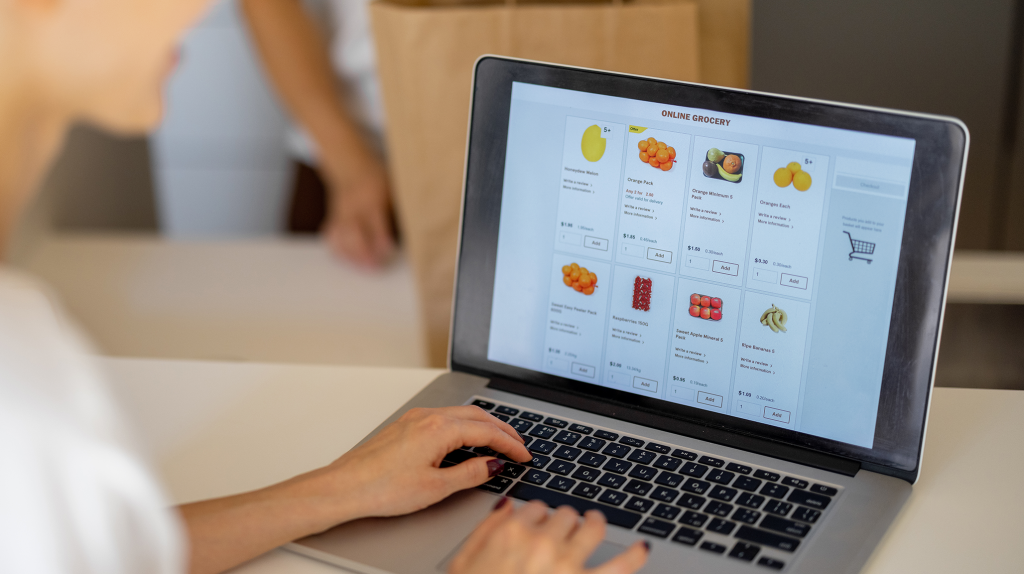
The FMCG (Fast Moving Consumer Goods) logistics business is a commanding segment of international retail commerce. With customers' evolving needs and growth in online buying culture, effective FMCG logistics are more essential than ever for companies to compete.
Findings Regarding the FMCG Logistics Industry
Some compelling findings are revealing the inner workings of this dynamic market. Comprehensive analyses of the growth patterns within the market and estimated valuations for the future examine the disruptive impact of new technologies on the industry.
Continue reading to delve deep into regional performance metrics and variations and study the strategic approaches employed by major industry players.
Consumer Behavior Transformation
Shifting consumer trends have become one of the most prominent imperative drivers of future FMCG logistics. These changes in consumption patterns have created new challenges and opportunities for companies in the FMCG industry, leading to new actions and strategies to balance future market demands.
The FMCG supply chain is changing rapidly, with increased internet use and a need for faster delivery. These developments have associated risks and prospects for businesses in the sector.
What can businesses anticipate in the marketplace in 2025? We will observe how emerging technologies and changing consumer tendencies are reconfiguring entire companies.
Current Status of the FMCG Logistics Market
The FMCG logistics market is projected to reach an impressive $121.3 billion in 2023, which indicates extraordinary growth in the context of developing market trends. This figure shows the sector's position as a bridge connecting manufacturers to customers through streamlined supply chain networks.
Key Growth Drivers
A limited number of underlying drivers drive the industry:
E-commerce Revolution: The advent of e-commerce has reconfigured the conventional supply chains, compelling corporations to shift towards quick, responsive delivery models
Changing Consumer Behavior: Consumers increasingly expect real-time delivery, product assortment, and real-time tracking ability
Supply Chain Digitalization: Corporations are making significant investments in intelligent solutions to streamline operational efficiency
Technological Advances Redesigning Operations
The landscape of FMCG logistics has changed dramatically, with technological innovations transforming operations across the spectrum. Automated warehousing is a common aspect of the contemporary logistics where automated storage systems and robotized systems utilize the space multiple-fold and streamline the order processing multiple-fold.
Internet of Things (IoT) technology has transformed the inventory management process, with intelligent sensors providing real-time tracking and temperature management for perishables to ensure quality at each phase of the supply chain. Artificial Intelligence has transformed the industry, with AI-powered systems maximizing routes to the highest, anticipating demand patterns, and attaining the lowest delivery times ever.
These technologies have produced a more efficient and responsive logistics environment. Organizations using these solutions observe huge efficiency gains in operation, with some registering up to 25% savings in delivery time and 30% operational cost savings.
The market today reflects an industry in transition, driven by computer technology and evolving customer needs. This active context offers prospects for logistics companies to create more innovative, customer-driven solutions.
Segmentation Analysis of the FMCG Logistics Market
The FMCG logistics market is divided into distinct product types and service category segments. Let's break down these crucial divisions:
Product Type Segmentation:
- Food & Beverages: Represents the largest segment, requiring specialized temperature-controlled storage and rapid delivery systems
- Personal Care Products: Demands precise inventory management and careful handling
- Household Items: Needs efficient bulk transportation and strategic warehousing solutions
- Other Consumer Goods: Includes electronics, stationery, and miscellaneous items
Service Type Categories:
- Transportation: Core logistics service accounting for 45% of market share
- Warehousing: Strategic storage solutions with inventory management
- Value-Added Services: Including packaging, labeling, and quality control
Transportation Modes Analysis:
Each mode serves specific needs in the FMCG supply chain:
Road Transport
- Offers door-to-door delivery flexibility
- Ideal for short to medium distances
- Handles 60% of FMCG transportation
Rail Freight
- Cost-effective for long-distance bulk shipping
- Reduces carbon footprint
- Best for non-time-sensitive goods
Air Cargo
- Premium option for urgent deliveries
- Essential for international trade
- Used for high-value FMCG products
The interaction of these segments generates a dynamic environment in which every element plays a crucial role in facilitating effective product delivery from producer to consumer.
Regional Analysis: North America as a Key Player
North America dominates the FMCG logistics industry, with the United States taking the lead. The continent boasts a well-developed logistics system in terms of 175,000 miles of freight rail tracks and 47,000 miles of interstate roads, enabling free flow of goods.
Factors Affecting Maturity in the U.S. FMCG Logistics Industry
The American FMCG logistics market demonstrates unmistakable signs of maturity in the guise of a number of dominant trends. Sophisticated warehouse automation is widespread nowadays, entirely reshaping storing and picking activity. Monitoring solutions in real-time brings unparalleled transparency to shipping activity as well as inventories.
Linked supply chain networks facilitate easy coordination between different logistics players and stakeholders. Besides, strategic distribution centers have been established in prime metropolitan locations, ensuring streamlined delivery routes and minimizing transport time for improved efficiency.
How Infrastructure Fuels E-Commerce Growth
Regional infrastructure is robustly supportive of e-commerce growth, with same-day delivery as the standard. Critical cities like New York, Los Angeles, and Chicago are location-focused strategic logistical hubs with sophisticated warehousing facilities and automated sortation facilities. Last-mile optimization and multi-mode transport modes are now part of modern logistics, meeting higher-speed and greater efficiency delivery services within urban borders.
Same-Day Delivery Demands and Opportunities
Same-day delivery requirements are creating opportunities in North America. Micro-fulfillment centers are being set up in urban locations to satisfy quick delivery needs. AI-based route-optimizing software is being used to maximize delivery efficiency and minimize transportation expenses. Drone delivery pilot areas are being implemented in different locations to establish ground for innovative last-mile solutions. Furthermore, sustainable supply chains are picking up steam, with consumers making eco-friendly choices in ever-increasing numbers, leading to the usage of electric vehicles and green packaging materials.
Competitive Advantage through Investment and Technology Surge
The U.S. market's competitive advantage lies in continuously investing in infrastructure and embracing technology. Firms leverage cloud infrastructures, predictive analysis, and IoT sensors to enhance organizational efficiency. This technological foundation sets North America as a model for global excellence in FMCG logistics.
Competitor Landscape in FMCG Logistics
Several major players in the FMCG logistics market influence the competition with their innovative strategies and investments in technology.
Key Market Leaders:
- DHL Group - Leading the pack with AI-powered warehouse solutions and sustainable delivery options
- C.H. Robinson - Known for its robust transportation management systems and global network
- XPO Logistics - Specializes in tech-driven supply chain solutions
- FedEx Supply Chain - Offers integrated logistics services with real-time tracking capabilities
- DB Schenker - Strong presence in European markets with expanding Asian operations
They are investing big time in digitalization to remain in the lead. For example, DHL Group recently introduced automated sorting centers, and C.H. Robinson has been building its brand by buying strategic local industry players.
Strategic Growth Initiatives
FMCG logistics participants aggressively work on different growth plans to keep themselves competitive. One of the areas where companies are making a specific investment is in blockchain technology to ensure traceability and transparency in supply chain management. Building intelligent warehousing solutions is another massive initiative that integrates automation and artificial intelligence for optimal storage and picking. Huge investments are also being made into electric vehicle fleets with a green focus and lowering carbon emissions.
Micro-fulfillment centers are one of the ways to bring product inventory closer to customers, especially in cities. Companies are also growing their last-mile networks to enhance speed and efficiency in delivery, which addresses the demands of e-commerce and same-day delivery.
The market continues to revolutionize as FMCG players partner strategically with logistics businesses. The partnership builds end-to-end supply chains, lowering delivery times and diminishing operational expenses. Businesses also want to expand their advanced cold chain competence to service the growing demand for temperature-sensitive FMCG products.
Projections in the FMCG Logistics Market between Now and 2025
The FMCG logistics industry is exhibiting promising growth prospects, with a predicted market value of $161.23 billion by the year 2030. It demonstrates a constant CAGR of 4.3%, which is fueled by technological advancements and changes in consumer behaviors.
Key Market Trends Shaping the Future
Some of the biggest trends directing FMCG logistics are:
Sustainable Packaging Solutions: Customers more and more require environmentally friendly packaging options, pushing corporations towards the adoption of sustainable logistics processes
Last-Mile Innovation: Last-mile technologies such as self-driving trucks and drone deliveries will reshape urban logistics
Smart Warehousing: Automated inventory management solutions powered by artificial intelligence will make storage and distribution more efficient
Personalized Delivery Options: Real-time monitoring abilities and dynamic delivery slots will be commonplace
Changing Consumer Behavior
Consumer behavior keeps changing dramatically in the FMCG logistics sector. Same-day delivery is also the new standard among consumers today, which forces business companies to align their logistics operations with this standard. Green shipping has also become more pronounced as eco-friendly methods are becoming more popular among green customers who actively look for brands that reflect a commitment to minimizing carbon footprints.
Supply chain transparency has also played its part, with consumers demanding end-to-end visibility of their product's history from factory to doorstep. The move towards mobile-first ordering platforms has altered the way that customers interact with FMCG brands, and frictionless digital experiences have become a core function of logistics operations.
These factors stimulate logistics providers to invest in next-generation technologies and environmentally friendly practices, creating a leaner and greener supply chain ecosystem.
The FMCG Logistics Landscape
The FMCG logistics landscape is facing a drastic change today. Organizations can operate in this new market by making some dramatic changes. Technological advancements like the use of AI and automation have become the most important factor in staying competitive and increasing business efficiency. The development of green logistics practices is a response to mounting environmental pressures, and the development of flexible supply chain networks provides business resilience from market shocks.
Investment in data analytics infrastructure has been viewed as a requirement in data-driven decision-making and effective operations. The analytical software gives insights into customer behavior, market trends, and operating effectiveness. Additionally, customer-centric design of delivery solutions has become a requirement since consumer expectations are constantly changing, and they anticipate more personalized and effective delivery of services.
Choose National Freight Connection
These developments present thrilling possibilities for development and innovation within the FMCG market. We invite you to review your existing logistics strategy and determine areas for change to accommodate future market needs.
Are you ready to place your company for success in the future FMCG logistics environment?
At National Freight Connection, we realize the special challenges and opportunities in FMCG logistics. Our customized solutions can assist you in riding out these changes and propelling your business forward.
Looking for expert guidance and partnership? Call us at (931) 200-5601 to discuss how we can help your business thrive in the transforming FMCG logistics market.