
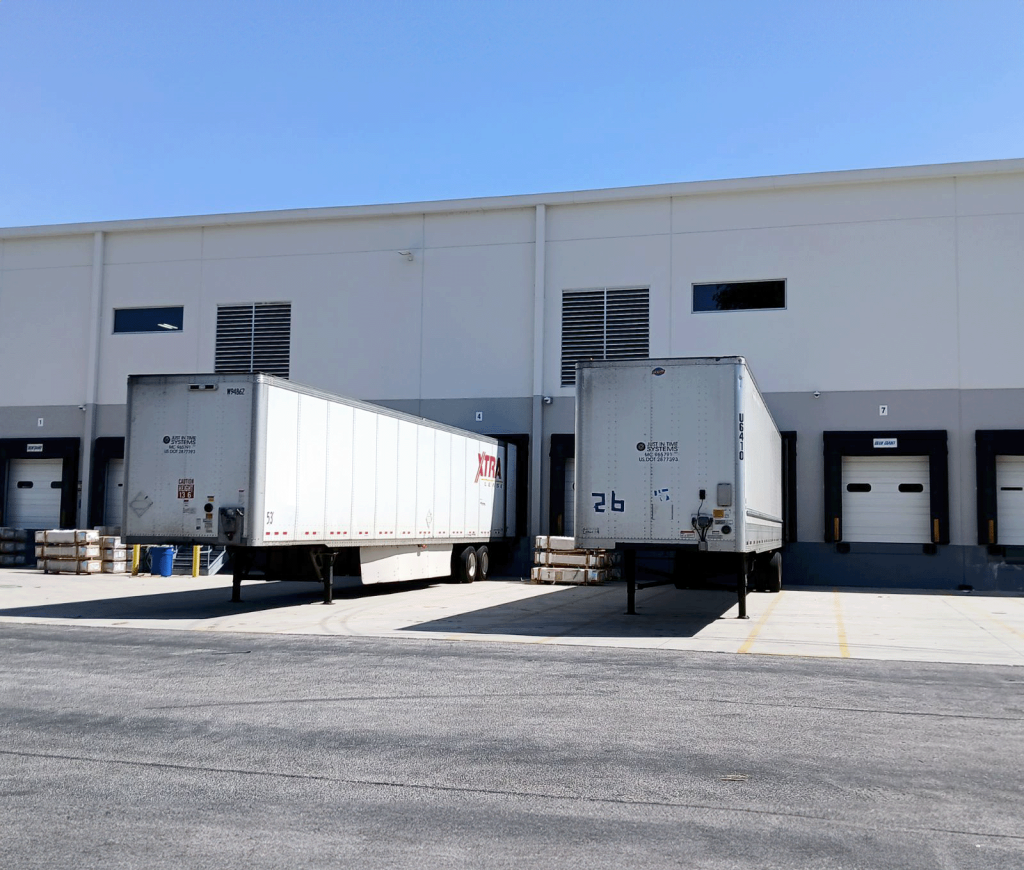
In today's complex supply chain landscape, your logistics manager serves as the backbone of your business operations. We take pride in orchestrating a seamless movement of goods, optimizing costs, and ensuring timely deliveries through strategic planning and execution - principles that are fundamental to supply chain management.
Think of us as your supply chain conductors - we harmonize multiple moving parts:
Transportation Networks: Coordinating carriers, routes, and delivery schedules while navigating the unique logistics landscape in the USA.
Inventory Management: Balancing stock levels with demand patterns to prevent common pitfalls.
Cost Optimization: Negotiating rates and maximizing resource utilization
Risk Management: Anticipating disruptions and developing contingency plans
Our success relies heavily on staying attuned to freight market indicators. These vital metrics act as our compass, guiding decisions that impact your bottom line:
- Capacity availability
- Fuel price trends
- Carrier performance data
- Market demand fluctuations
- Regional shipping patterns
At National Freight Connection, we leverage these indicators to craft data-driven strategies that keep your supply chain running smoothly and cost-effectively. However, we also recognize that the supply chain dynamics are constantly shifting, as evidenced by recent dramatic reversals in trade flows. Additionally, we are aware of the ongoing regulatory and trade measures which could potentially redefine global maritime trade patterns.
1. Monitoring Freight Market Indicators for Informed Decision-Making
As your logistics manager, we closely monitor freight market indicators to protect your profits and maintain excellent service. Our dedicated team tracks real-time freight capacity levels and rate changes across various routes and transportation methods.
Key Market Indicators We Monitor:
- Capacity utilization rates
- Fuel price trends
- Equipment availability
- Seasonal demand patterns
- Regional market conditions
Understanding these indicators helps us anticipate market changes and adjust your shipping strategy accordingly. When capacity becomes limited, we use our extensive network of carriers to secure space for your cargo at competitive rates.
Our partnership with trusted third-party logistics (3PL) providers adds another layer of efficiency to your supply chain. These relationships give you access to:
- Expanded carrier networks
- Volume-based discounts
- Flexible capacity options
- Expert rate negotiations
- Specialized equipment availability
We implement a strategic mix of spot and contract rates to optimize your transportation costs. Contract rates provide stability and predictable pricing for regular shipments, while spot rates allow us to take advantage of market opportunities during favorable conditions.
Our Rate Management Strategy:
- Long-term contracts for consistent lanes
- Spot market bookings for occasional shipments
- Dynamic pricing adjustments based on market conditions
- Regular rate benchmarking
- Risk mitigation through carrier diversification
This balanced approach ensures reliable service delivery while maintaining cost-effectiveness across your supply chain operations. We continuously analyze market data, such as the data from the Association of American Railroads, to identify trends and adjust our strategies, keeping your freight moving efficiently in any market condition.
Recent Market Trends
Recently, we've observed some significant shifts in the logistics landscape. For instance, cross-border trucking rates have soared as the tariff deadline approaches, leading to dramatic rises in shipping prices on certain lanes.
Moreover, Hawaii's logistics troubles have provided valuable lessons that can inform our future strategies. The large price gap for shipping from Asia to the United States points toward some interesting market dynamics that we can learn from.
In terms of international shipping, understanding the role of a freight forwarder can simplify our processes significantly. They play a crucial role in managing logistics and ensuring smooth transportation of goods across borders.
As we navigate these changes, it's essential to stay informed about the ongoing transformation in the U.S. transportation sector as indicated by recent leadership changes.
2. Optimizing Networks and Routes with Advanced Techniques
Dynamic market conditions require regular network optimization to keep things running smoothly. At National Freight Connection, we update our routing strategies every 3-6 months or sooner if there are major changes in the market. This proactive approach helps you adjust to:
- Seasonal demand changes
- New regulations
- Fluctuating fuel costs
- Changes in carrier availability
Using Technology for Better Decision Making
We use digital twin technology to create virtual models of your supply chain network. This powerful tool allows us to:
- Run real-time simulations of different routing scenarios
- Test potential network changes without disrupting operations
- Identify bottlenecks before they affect your business
- Reduce transit times by 15-20% on average
Additionally, we leverage intermodal containers, which are standardized boxes made from corrugated steel, to further optimize our supply chain operations. These containers allow for seamless transfer between different modes of transportation, enhancing efficiency and reducing costs.
Improving Efficiency with Cross-Docking and Mode Optimization
Our cross-docking practices eliminate unnecessary storage time and handling costs. We strategically combine LTL (Less Than Truckload) shipments into full truckloads when possible, maximizing efficiency and reducing per-unit shipping costs.
Your cargo characteristics and delivery timelines guide our mode optimization decisions:
Time-sensitive items: Expedited LTL or dedicated truckload services
High-volume shipments: Consolidated full truckload transport
Regular restocking: Scheduled multi-stop routes
Temperature-controlled goods: Specialized reefer equipment allocation
Data-Driven Adjustments for Optimal Network Efficiency
We continuously analyze performance metrics through our advanced routing algorithms, making data-driven adjustments to maintain optimal network efficiency. This systematic approach has helped our clients achieve up to 25% reduction in transportation costs while maintaining service quality. However, the recent exposure of a large scale smuggling operation at Los Angeles ports, which involved an elaborate network of forged Chinese products inundating American shelves, underscores the importance of robust and efficient logistics.
3. Implementing Real-Time and Predictive Freight Visibility Solutions
Your shipments deserve real-time attention and proactive management. We've integrated advanced visibility solutions that keep you informed at every step of the journey, including cross-border freight tracking which addresses the unique challenges of international shipping.
Real-Time Visibility Benefits
Real-time visibility offers significant advantages for managing your freight operations. With instant alerts, you receive immediate notifications about weather-related delays, allowing you to respond proactively and minimize disruptions. Immediate rerouting capabilities ensure that, in the event of traffic disruptions, such as those caused by Houston's truck traffic bottlenecks, your shipments are diverted efficiently to avoid costly delays. For temperature-sensitive cargo, live temperature monitoring is essential, providing continuous oversight to protect product integrity throughout transit.
Additionally, real-time updates facilitate a quick response to customs clearance issues, helping to prevent unexpected hold-ups at borders. Most importantly, accurate estimated time of arrivals (ETAs) enable better resource planning by aligning labor and storage resources with precise delivery windows, resulting in smoother supply chain operations overall.
Our predictive freight visibility tools analyze historical data patterns to identify potential issues before they impact your shipments. This proactive approach helps us:
- Spot capacity constraints weeks in advance
- Predict seasonal demand fluctuations
- Identify high-risk routes and delivery windows
- Calculate optimal buffer times for critical shipments
- Plan alternative routes during peak periods
We've implemented robust Transportation Management Systems (TMS) that serve as the backbone of our visibility solutions. Our TMS platform provides:
Real-Time Features:
- GPS tracking integration
- Digital proof of delivery
- Automated status updates
- Mobile driver communication
- Document management
Predictive Capabilities:
- AI-powered route optimization
- Weather pattern analysis
- Port congestion forecasting
- Carrier performance tracking
- Risk assessment modeling
By combining real-time monitoring with predictive analytics, we maintain complete control over your supply chain. This dual approach ensures we catch immediate issues while preparing for future challenges, keeping your freight moving efficiently through any situation.
For instance, understanding New York City's congestion pricing impact can also help in planning deliveries more effectively amidst such urban challenges.
Moreover, the shortages experienced in 2021 serve as a reminder of the importance of efficient logistics management and real-time tracking. Leveraging cross country freight tracking can significantly enhance logistics management by improving efficiency, reducing costs, and streamlining supply chain operations.
4. Developing a Tech-Savvy Workforce for Future-Ready Logistics Management
AI technology has completely transformed transportation management, introducing levels of automation and optimization in logistics operations that were previously unimaginable. At National Freight Connection, we leverage AI-powered solutions to:
- Automate routine tasks like carrier selection and load matching
- Generate data-driven insights for smarter decision-making
- Optimize routes and capacity planning in real-time
- Predict maintenance needs and prevent equipment downtime
Building a logistics workforce that is prepared for the future requires continuous learning and adaptation to these emerging technologies. We heavily invest in upskilling our team through:
Comprehensive Training Programs
- Hands-on experience with advanced TMS platforms
- Regular workshops on AI applications in logistics
- Technical certification opportunities
- Mentorship from experienced logistics professionals
Knowledge-Sharing Initiatives
- Cross-functional team collaborations
- Best practices documentation
- Regular tech update sessions
- Case study discussions of successful implementations
To foster a culture of innovation, we encourage our team to:
- Experiment with new technological solutions
- Share insights and learnings across departments
- Propose process improvements based on data analysis
- Participate in industry conferences and workshops
This commitment to developing tech-savvy logistics professionals enables us to stay ahead of industry trends such as the future of logistics tracking and deliver superior service to our clients. Our team combines deep logistics expertise with advanced technological capabilities to optimize supply chain operations, drive business success, and effectively manage complex scenarios like product returns or the intricacies involved in grocery stores logistics.
Choose National Freight Connection
The logistics industry is constantly changing and evolving. To stay ahead of the competition, you need to be able to adapt and find new solutions. We've seen that companies who are always looking for ways to improve their logistics practices consistently do better than others.
In today's world, using technology in logistics is a must. Our experience shows that companies who use AI-powered tools and advanced analytics are able to achieve significant results such as a 15-20% reduction in operational costs, a 30% improvement in delivery accuracy, and a 40% faster response times to supply chain disruptions.
However, understanding the logistics landscape is equally important. Our blog offers valuable insights into the meaning of logistics and provides real-world examples that can help businesses navigate this complex field.
Your logistics operations deserve cutting-edge solutions that drive efficiency and elevate customer service standards. By combining robust market monitoring, network optimization, real-time visibility, and a skilled workforce, you position your business for sustained success in today's competitive marketplace.
Recently, we received some positive news regarding the dock workers' union agreement which has ended the port strike. This development will certainly ease some of the tight market conditions we have been experiencing update on the dockworkers union agreement.
Looking ahead, it's crucial to stay informed about industry trends. For instance, there's an ongoing discussion about whether truck freight will recover in 2025 with predictions suggesting a growth in revenues according to ATA forecasts.
The future of logistics management lies in the seamless integration of technology and human expertise. Your commitment to adopting these best practices will shape your ability to navigate complex supply chain challenges and deliver exceptional value to your customers.
Contact Us for Expert Logistics Management Support!
At National Freight Connection, we pride ourselves on delivering tailored logistics solutions that drive real results for your business. Our expert team combines industry knowledge with cutting-edge technology to streamline your supply chain operations, which includes logistics and distribution - the backbone of supply chain management.
Ready to transform your logistics management?
🔹 Call us at (931) 200-5601
🔹 Get personalized strategies for your unique needs
🔹 Experience our proven track record of success
🔹 Start optimizing your supply chain today
We understand the role of logistics service providers in modern business and how they can streamline operations, cut costs, and boost efficiency. Let's work together to enhance your logistics efficiency and boost your bottom line.
Your success is our priority - reach out now and discover the difference professional logistics management can make for your business. Whether it's preparing for the peak shipping season or understanding the diverse roles within the logistics management profession, we are here to help.
Moreover, we leverage advanced technologies such as GPS trackers for trailers to enhance overall performance and safety. Our expertise also extends to expert warehouse management strategies and utilizing dedicated carriers, which are fundamental to modern logistics management.