
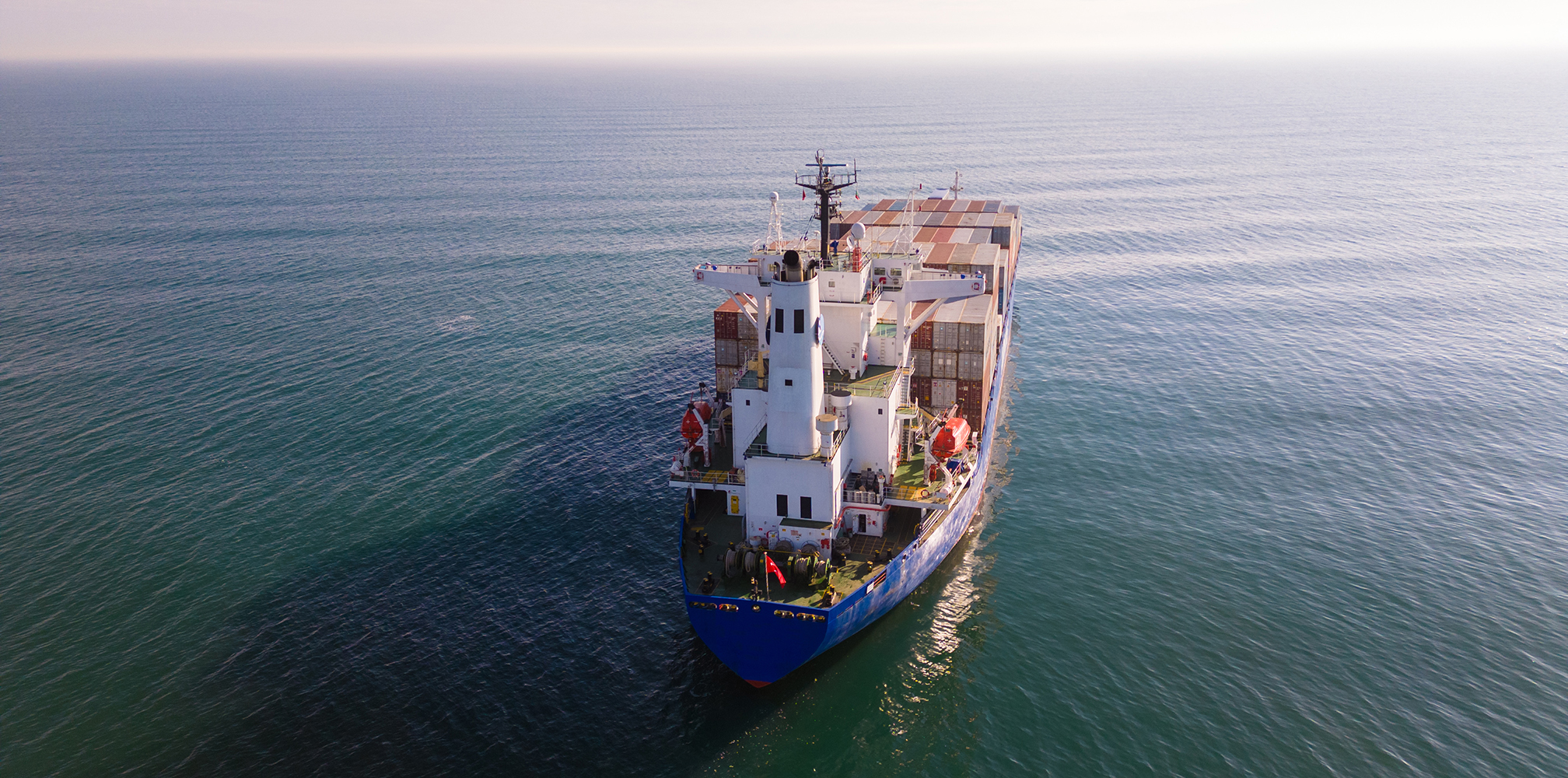
Ocean shipping logistics are essential to global trade, accounting for the movement of some 90% of the goods in the world. They connect the businesses and economies in the shipping of everything from raw materials to finished products across ocean waters. Having a basic understanding of ocean freight logistics is thus necessary for an organization to thrive. Each transshipment by container ships involves several supply chain options, detailed planning, and effective cooperation among the parties involved. Ocean shipping logistics present a number of challenges whose impact can be felt directly on your profits.
Unforeseen shipping delays induced by congestion in the ports or adverse weather conditions really create disruptions in the supply chain alongside rising operational costs that affect profit margins whereas cost management strategies are put in place. Directly or indirectly, there are regulatory requirements that require constant attention to maintain conformity with international standards and regulations. Environmental concerns are also on an increasing scale with practices geared towards sustainability in order for the shipping operations to maintain a fair ecological footprint gaining much popularity.
Last but not least, the variation in capacity owing to ocean freight either might take an upturn or downturn, affecting price and availability in consequence. Being aware of these challenges helps in risk management and increasing efficiency in ocean shipping logistics. We at National Freight Connection have had the chance to witness the impact these challenges pose on businesses in different industries. We have helped companies deal with problems such as port congestion, weather interruptions, and lack of capacity.
By knowing these common issues beforehand, you can make plans to avoid them or turn them into chances for improving your logistics operations. This article will explore ocean shipping logistics and look at practical solutions to overcome these challenges so that your company stands to gain.
The Scale of Contemporary Shipping
The maritime shipping sector has changed beyond recognition in recent years. The modern container ship puts any past vessel to shame, and Ever Ace is now the fabulous talk of the trade. At 400 meters, longest ever, it can carry, in a single trip, 23,992 TEUs (Twenty-foot Equivalent Units), opening up an era of mega-ships.
Why Are Ships Getting Bigger?
In order to make transport more cost-effective, shipping firms are building larger vessels. By taking larger cargo load per trip, they are reducing the cost per container to remain competitive in this industry.
However, it’s important to note that logistics practices can vary significantly from one country to another due to different regulatory frameworks, infrastructure quality and other factors affecting supply chain efficiency. Understanding these differences can provide valuable insights when navigating international shipping logistics.
How Do Mega-Ships Benefit Businesses?
Mega-ships offer several advantages to businesses involved in international trade:
- Cost savings: With lower shipping costs per container, businesses can transport goods more economically.
- Increased capacity: Larger vessels can accommodate higher volumes of cargo, making them suitable for businesses with significant shipping needs.
- Efficiency gains: Advanced technologies used in mega-ships enable faster loading and unloading processes, reducing turnaround times at ports.
The Impact of Industry Consolidation
Consolidation is a key chapter in the history of mergers and acquisitions among top players in the shipping industry. Recent years have seen consolidation enveloping global shipping capacity players.
What Options Does Industry Consolidation Open Up for Businesses?
Consolidation presents both advantages and disadvantages:
- Fewer Alternatives: Shippers may encounter limited carrier options, making it challenging to negotiate new prices due to similar pricing structures within combined networks.
- Enhanced Services: Increased networks and improved services are likely outcomes of resource pooling and expertise sharing.
Adapting to the New Go Shipping Model
As mega-ships reshape competition, firms must align their logistics strategies with new company structures:
- Impacts on Port Infrastructure: Companies should assess whether their ports can accommodate larger vessels or partner with those that can.
- Optimizing Supply Chain Planning: Efficient use of shipping capacity relies heavily on demand forecasting and inventory management. This is where logistics and distribution come into play, forming the backbone of supply chain management.
- Establishing Close Relations with Shipping Lines: Engaging with shipping lines is crucial for accessing cheaper rates and reliable services.
Proactively addressing these issues will strengthen businesses in a rapidly evolving shipping environment driven by mega-ships and industry consolidation.
Most Common Problems of Oceanic Freight
The complexities of ocean shipping present various challenges that can impact business operations, with capacity management being the greatest.
1. Challenges of Capacity Management
Market demand fluctuations make balancing ocean shipping difficult. High demand periods may limit freight space availability, while lean periods often see reduced vessel numbers, resulting in:
- Limited Space Availability: Competing for container spots during busy seasons
- Rate Volatility: Rising shipping costs when space is scarce
- Schedule Disruptions: Affected delivery times due to fewer vessels
To effectively tackle these challenges, consider:
1. Advanced Booking
- Reserve container space 2-3 weeks ahead
- Keep shipping schedules flexible
- Build relationships with multiple carriers
2. Data-Driven Planning
- Track seasonal trends
- Monitor market indicators
- Adjust shipping volumes based on historical data
3. Alternative Routes
- Identify backup shipping lanes
- Consider multi-port options
- Explore different vessel types
The capacity puzzle becomes particularly complex during global events. The correlations between unexpected supply chain bottlenecks have highlighted the necessity for operational flexibility. Ships with adaptable dynamics thrived during incidents like the Suez blockade caused by the Ever Given.
Engaging an experienced logistics partner can help navigate these obstacles while fostering an efficient supply chain.
2. Environmental Shipping Concerns
The maritime industry faces increasing pressure to reduce its environmental footprint. One key strategy is slow steaming—operating ships at lower speeds to decrease emissions and fuel usage. This method can yield fuel savings of up to 30% by reducing speed by just 10%.
Environmental Initiatives
The industry has made significant strides in various environmental initiatives, with controls on sulfur emissions being a major development.
In this context, it’s essential to understand the role of logistics service providers as they streamline operations, cut costs, and boost efficiency across various sectors including healthcare logistics which involves managing resources effectively for patient care.
1. Digital Integration and Real-Time Tracking
- Implement IoT sensors for container monitoring
- Use blockchain technology for transparent documentation
- Adopt AI-powered route optimization systems
- Deploy predictive analytics for demand forecasting
2. Strategic Partnerships
- Build relationships with multiple carriers
- Develop contingency routing options
- Create shared container arrangements
- Establish direct communication channels with port authorities
3. Risk Management Strategies
- Set up buffer inventory systems
- Create flexible shipping schedules
- Implement dual-sourcing strategies
- Design regional distribution networks
4. Sustainable Practices
- Switch to eco-friendly packaging materials
- Optimize container loading patterns
- Participate in green shipping programs
- Use route planning to reduce emissions
At National Freight Connection, we understand that suitable options become unique exactly like you. We offer assistance to businesses in identifying and implementing the best solutions for their unique shipping needs. Our knowledge of logistics management enables you to navigate the complexities of operational sea freight without incurring losses.
Choose National Freight Connection
Ocean freight logistics is complex, requiring clever adaptive solutions. Your company should have a logistics partner who shares this understanding and possesses the necessary knowledge to sail through it.
Do you finally want to change your logistics process? Here at National Freight Connection, we possess proven experience in complex shipping operations. Our expertise has helped numerous companies optimize their ocean freight strategies, cut costs, and maintain dependable supply chains.
Start Now With Your Shipping Process Transformation
Before understanding where the pain points are in your logistics process, it’s crucial to evaluate your challenges upfront. This insight prepares you to search for creative solutions that can be personalized to meet your specific needs. The key to success lies in partnering with experts who truly understand your business goals and can help implement effective strategies for your shipping operations.
Looking for personalized logistics support? Contact us at National Freight Connection at (931) 200-5601. Let’s work together to enhance your ocean shipping operations.
For more insights on various aspects of logistics management and how we can assist you, feel free to explore our blog!