

Trade and commerce interconnect the world, and businesses need to move products from production to customers quickly and efficiently. However, managing complex supply chains can be challenging.
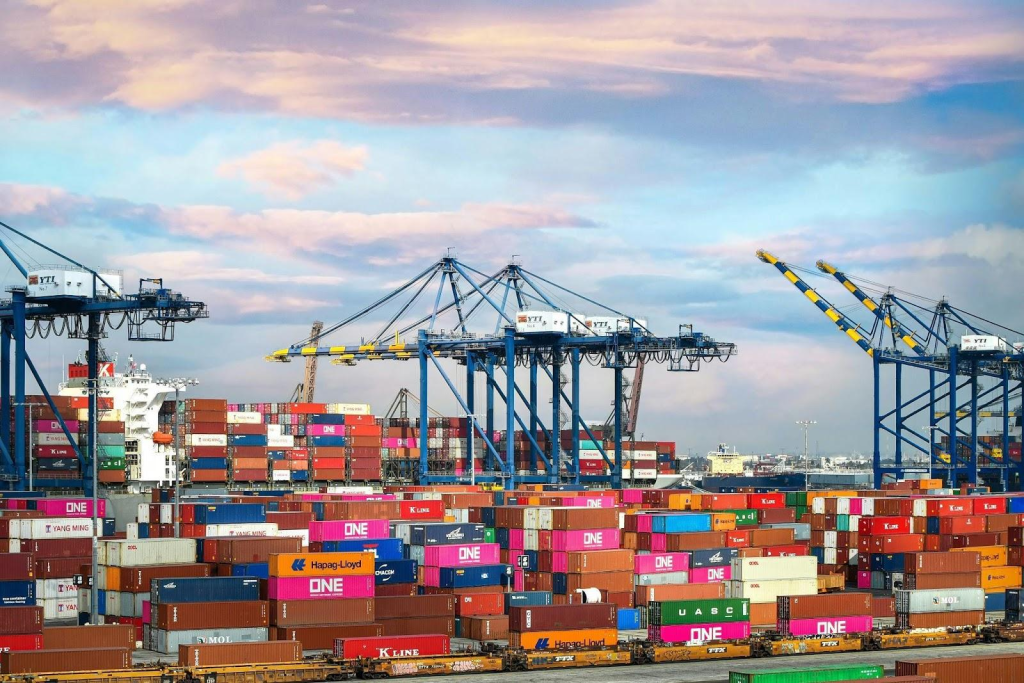
This is where Logistic Service Providers (LSPs) come in. LSPs are third-party companies that specialize in handling various aspects of your supply chain. For businesses to operate smoothly, they can handle everything from warehousing and transportation to fulfillment and international shipping.
Let’s explore everything about logistic service providers and how they fit today’s business environment.
What are Logistic Service Providers?
Logistics service providers (LSPs) are separate entities that manage the distribution, warehousing, and transportation of goods on behalf of businesses. They act as intermediaries between producers and final consumers by ensuring the smooth delivery of goods.
These companies are capable of carrying out a multiplicity of logistics functions better than many other firms. Their internal infrastructure, technology, and knowledge enable them to do this. That is why they offer various services, from supply chain consulting to freight forwarding. They can also offer services like warehousing and other value-added services such as packaging and assembly.
The Use of Logistic Service Providers In Business
Imagine managing every step of getting your product to the customer. This includes finding trucks, negotiating shipping rates, securing warehouse space, and handling returns. Overwhelming, right? Businesses use Logistic Service Providers (LSPs) for several key reasons:

LSPs provide a range of benefits to companies looking to optimize their operations. They bargain for better shipping prices, collected from several clients, by consolidating shipments and optimizing routes. This results in huge savings. Logistics service providers also provide the option to scale logistics operations to meet your business needs by scaling up services when peak seasons hit and scaling back resources when demand goes down. Outsourcing logistics can provide immediate access to innovative technologies and expert personnel, without the substantial up-front investments, allowing teams to concentrate on core skills like product development and marketing.
Engagement of LSPs may significantly improve risk management-especially for enterprises entering international markets. These companies are experienced in difficult customs regulations and can use appropriate risk management strategies to guide you smoothly and compliantly through many international trade complications. This partnership not only smooths logistics but also contributes to the efficiency of the general business operation by giving you more free time to drive your product and service forward. LSPs negotiate lower rates by aggregating shipments from several clients. Additionally, they optimize transportation routes. This all leads to cost reduction for your business.
Types of Logistics Services
Businesses today can choose from a vast range of services provided by logistical service providers.

- Transportation: LSPs are responsible for sending the goods they move by railway, road, air, or water to be delivered within given time frames and at reasonable rates.
- Warehousing: Stocktaking, cross-docking, and distribution center operations are among their options in storage.
- Freight Forwarding: This service helps coordinate the shipment of goods across national borders. It also handles documentation, customs clearances, and regulation compliance.
- Value-Added Services: These include packaging, labeling, kitting, assembly, and other actions that add worth to the product before it reaches the customer.
- Supply Chain Consultancy: LSPs offer consultancy on supply chain analysis and optimization to enhance efficiency and reduce costs.
Responsibilities of Logistic Service Providers
LSPs wear many hats, ensuring your supply chain runs smoothly from start to finish. Here’s a closer look at their key responsibilities:

- Transportation Management: LSPs go beyond simply finding trucks. They plan routes, considering factors like cost, distance, delivery time, and regulations. Their expertise in route optimization ensures your products reach their destination efficiently and cost-effectively.
- Warehousing and Storage: LSPs offer secure and strategically located warehouse space to store your inventory. They manage stock levels, ensuring you have enough products to meet demand without overstocking. Additionally, they implement efficient picking and packing processes to expedite order fulfillment.
- Inventory Management: LSPs take the burden of stock control off your shoulders. They utilize advanced systems to track inventory levels in real-time, allowing them to predict restocking needs and prevent stockouts. This proactive approach ensures you never miss a sale due to unavailable inventory.
- Order Fulfillment: Once an order is placed, the LSP swings into action. They pick, pack, and ship your products according to customer specifications. Many LSPs also offer value-added services like labeling, kitting, and assembly, further streamlining the fulfillment process.
- International Shipping: Expanding your business globally? LSPs can handle the complexities of international shipping. They navigate customs regulations, manage import/export documentation, and ensure your products comply with international trade laws. This expertise simplifies global expansion and reduces the risk of delays or issues at customs.
- Returns Management: Returns are an inevitable part of any business. LSPs can design and implement a reverse logistics system to efficiently manage product returns. This includes processing returns, inspecting returned items, and restocking your inventory.
Benefits of Logistic Service Providers
Various advantages arise from partnering with logistic service providers, which include:
- Enhanced Efficiency: Using advanced technology and best practices in operations contributes to improved efficiency, hence faster delivery times and fewer errors.
- Improved customer service: Efficient logistics results in faster deliveries without delays and enhances customer satisfaction.
- Flexible solutions: LSPs offer flexible solutions to grow in response to changing business requirements, such as when approaching peak seasons and entering into new markets.
Tired of Unpredictable Freight Logistics? Choose National Freight Connection!
Feeling overwhelmed by the complexities of logistics? Free yourself to focus on what matters most – your business – by partnering with National Freight Connection. We specialize in dedicated truckload shipping, creating custom solutions that solve your logistical challenges.
We offer a proven approach to:
- Dedicated Carriers: We secure reliable, long-term partners to handle your specific needs.
- Scalable Solutions: Our model adapts to your growing business, ensuring a perfect fit.
- Unwavering Commitment: Our team prioritizes exceptional service, exceeding your expectations.
Contact us at (931) 200-5601 to get a quote and experience the National Freight Connection difference. Visit us at National Freight Connection and discover a smoother and more efficient supply chain.
FAQs
What are logistics service providers?
Logistics service providers are firms that undertake goods’ transportation, warehousing, and distribution on behalf of companies.
Reasons for engaging logistics service providers by businesses?
The reasons why businesses employ LSPs include cost efficiency, scalability, technological advantage, risk mitigation, and focus on core competencies.
What are some of the services offered by logistics service providers?
They offer services such as transport, warehousing, forwarding agencies, value addition, and outsourcing companies.
This article was published on