We CreateReal Solutions
National Freight Connection - Our Professional and CustomApproach Finds The Best Solutions To Your Shipping Problems Quickly
We Are A FullLogistics Provider
Our services include: dedicated equipment, white glove service, and complex connections that allow your freight to be delivered on time and at a great price.

Our Services
Dedicated Equipment
White Glove Service
Complex Connections
Dedicated Equipment
White Glove Service
Complex Connections
30 Day Performance
30 Day Performance
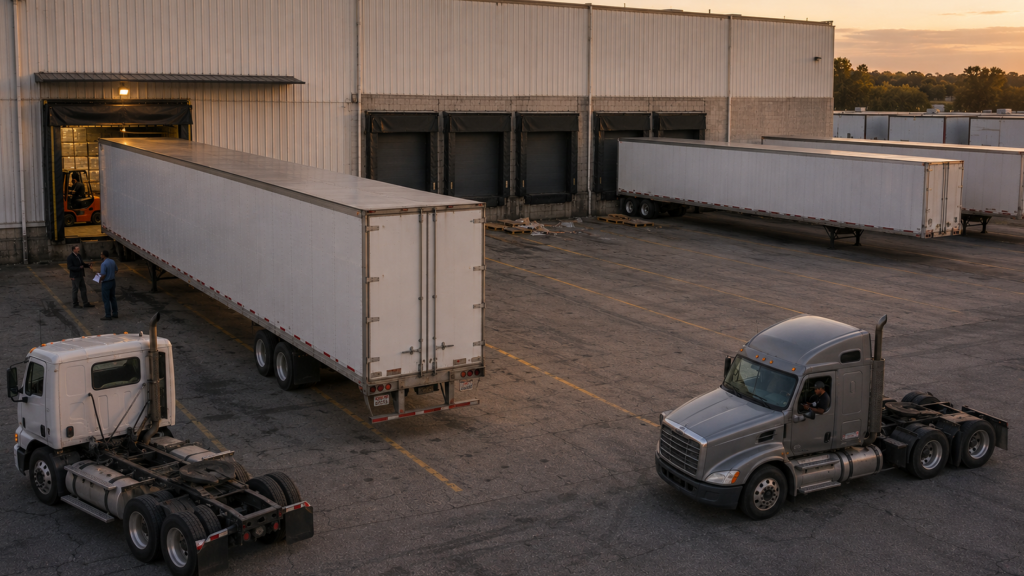
What Makes Shipper of Choice A Procurement Problem?
For the past five years, “shipper of choice” lived primarily in conference presentations and the marketing decks of third-party logistics firms.
It was a phrase that played well in a slide and read well in a vendor pitch, sitting somewhere between brand reputation and supplier relationship management for most of the soft market from 2022 through most of 2025.
That treatment made sense at the time. Carriers needed loads. They accepted detention, dwell, difficult facilities, late payments, and inefficient communication because the alternative was sitting empty with a payment due on the truck.
The underlying math is no longer what it was.
What Is Deferred Maintenance And How Can It Be A Problem?
The freight market recovery story of 2026 has a number attached to it that most capacity analyses are not accounting for. It is not the count of registered carriers. It is not the tally of active truck authorities or the order books at Daimler or Paccar.
It is the maintenance backlog sitting inside the surviving fleet.
FreightWaves made it explicit in its May 2026 State of the Industry coverage: the industry is confronting a massive accumulation of deferred maintenance from the prolonged freight recession of 2022 to 2026. Three years of carriers running lean, delaying repairs, and deferring equipment investment has created a condition that rate indexes and authority counts do not capture. The trucks that survived the recession are not in the same mechanical condition as the trucks that entered it. The freight market’s usable capacity is smaller than its registered capacity, and that gap is about to get stress-tested as utilization rises.
For shippers, this is a service reliability story as much as a capacity story. For carriers, it is a reinvestment decision with direct implications for rate sustainability and competitive positioning through the cycle.
How can I effectively control my shipping costs in a volatile market?
You can seek assistance from professional freight logistics management companies like us here at National Freight Connection. We assist companies in managing their shipping costs through the use of smart strategy and live market insight. The sudden increase in fuel prices, lack of labors, and changes in capacity can all lead to an increase in rates, meaning we prioritize getting the best price through carrier optimization, lane analysis, and using our national network for better buying power. Additionally, we minimize the shippers’ risk of unexpected costs by tackling and eradicating the most usual accessorial fees, boosting packaging efficiency, and advising the use of cheaper alternatives like intermodal, consolidation, or mode shift where applicable. Our aim is to ensure a steady transportation budget for you and to carry out freight operations that are predictable and efficient – even in the case of a volatile market.
How can I gain real-time visibility and track my shipments end-to-end?
End-to-end visibility is essential for modern supply chains, and we at National Freight Connection provide real-time tracking tools that allow you to monitor shipments at every stage of transit. Our system gives accurate, up-to-the-minute updates so you can identify bottlenecks early, manage inventory more effectively, and meet customer expectations for transparency and timely delivery. We also help you prepare for potential disruptions—from weather delays to geopolitical events—by providing proactive alerts and contingency planning. With our visibility solutions, you get consistent, dependable data designed to strengthen your entire logistics operation.

About Us